
Uncategorized
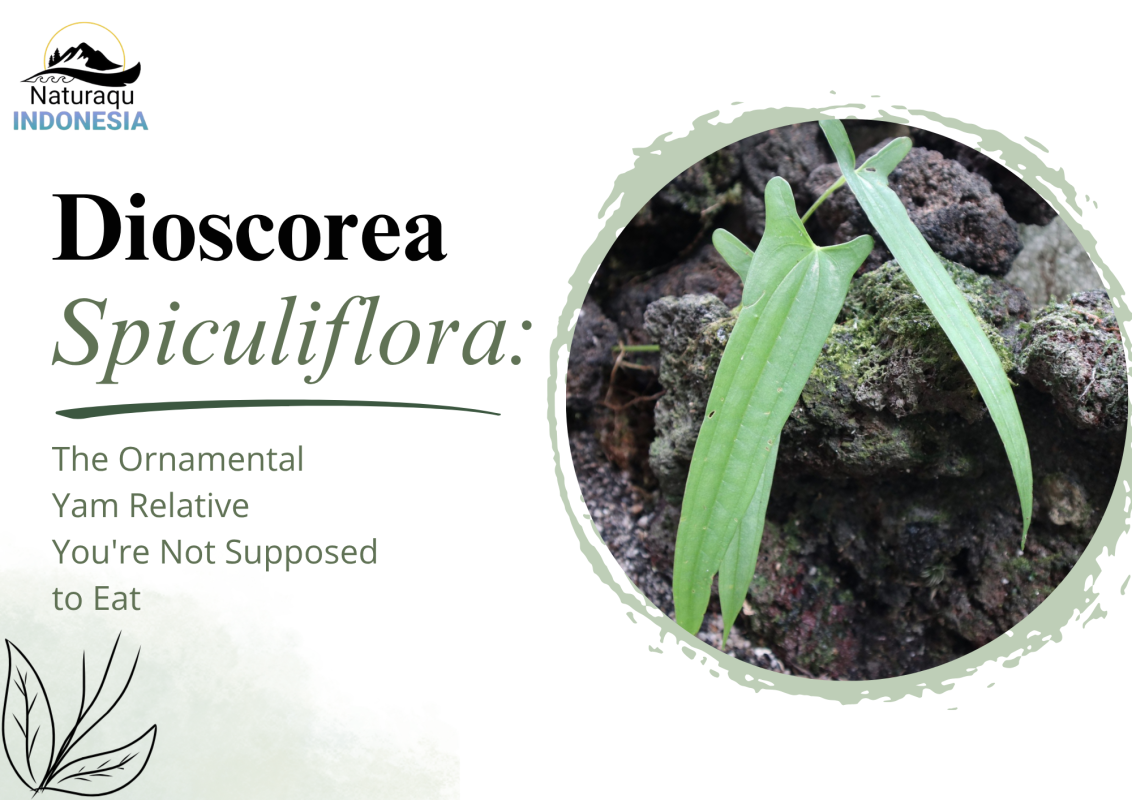
Dioscorea Spiculiflora: The Ornamental Yam Relative You’re Not Supposed to Eat
Aug
Say the word “Dioscorea” to a farmer and they’ll picture yams, a staple root crop grown across the tropics for centuries. Dioscorea Spiculiflora belongs to the same genus, but growers cultivate it purely for its foliage. Its arrow-shaped leaves, marked with pointed lobes at the base and fine parallel veins, make it a collector’s plant rather than a crop.
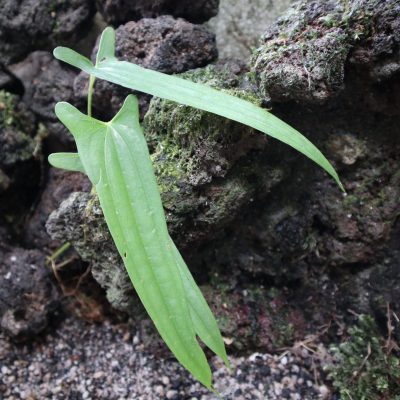
Image “Dioscorea Spiculiflora Kalbar leaves with pointed basal lobes and parallel veins”
A Leaf Shape That Reveals Its Family
Look closely at a Dioscorea Spiculiflora leaf and the family resemblance to edible yams becomes clear. The leaf tapers to a point at the tip, while the base splits into two ear-like lobes, giving the whole shape a distinct arrowhead outline. Fine veins run parallel along the length of the leaf rather than branching outward, a pattern more typical of monocots than the netted veining seen in many other climbing vines.
A Vine, Not a Root Crop
Like other Dioscorea species, Spiculiflora climbs using twining stems that wrap around available support as it grows. Underground, it develops a tuber similar in structure to an edible yam. Unlike agricultural Dioscorea varieties bred for size and starch content, ornamental species like this one are grown and sold for their vine and foliage, not for the tuber itself.
Where This Species Comes From
Dioscorea Spiculiflora is native to Indonesia, specifically documented in West Kalimantan, where it grows as a climbing vine in humid forest conditions. This regional origin is reflected in its “Kalbar” trade name, a common abbreviation for Kalimantan Barat, or West Kalimantan.
Growing Conditions It Needs
A few adjustments keep this climbing vine healthy indoors or in a greenhouse setting:
- Bright, indirect light — direct sun can scorch the thin leaf blades
- Well-draining, organically rich soil, since the tuber rots in waterlogged conditions
- Consistent moisture during active growth, tapering off as the vine heads into dormancy
- A trellis, stake, or other support structure for the twining stems to climb
Understanding Its Seasonal Cycle
Like many tuberous vines, Dioscorea Spiculiflora may die back to its underground tuber during a dormant period. New growers sometimes mistake this for plant death. Reducing watering once the vine yellows and collapses, then resuming once new shoots appear, keeps the tuber healthy through this natural rest phase.
Why Growers Choose the Ornamental Route
Edible yam varieties are bred over generations for tuber size and starch yield, often at the expense of an attractive vine. Ornamental Dioscorea species like Spiculiflora take the opposite path, valued for a delicate leaf shape and climbing habit that most agricultural varieties never develop. It offers a way to grow something from this economically important genus purely for how it looks.
Bring Home Your Own Dioscorea Spiculiflora
Naturaqu ships healthy, well-established Dioscorea Spiculiflora directly from our nursery. Every order includes a free Phytosanitary Certificate. We offer wholesale pricing for bulk orders. If a plant arrives dead on arrival, we replace it at no extra cost, excluding shipping. International shipping takes roughly 1-2 weeks once export permits clear.
Browse more Dioscorea varieties in our Dioscorea category, or see our full range of Rare Plants. Questions about care or shipping? Reach out through our contact page — we’re happy to help before you order.
For more on the genus itself, see the overview on Wikipedia and the genus record on Plants of the World Online.
