
Uncategorized
Ardisia White Line Sumatra – New Arrival, Beautiful Plant From Sumatra
Oct
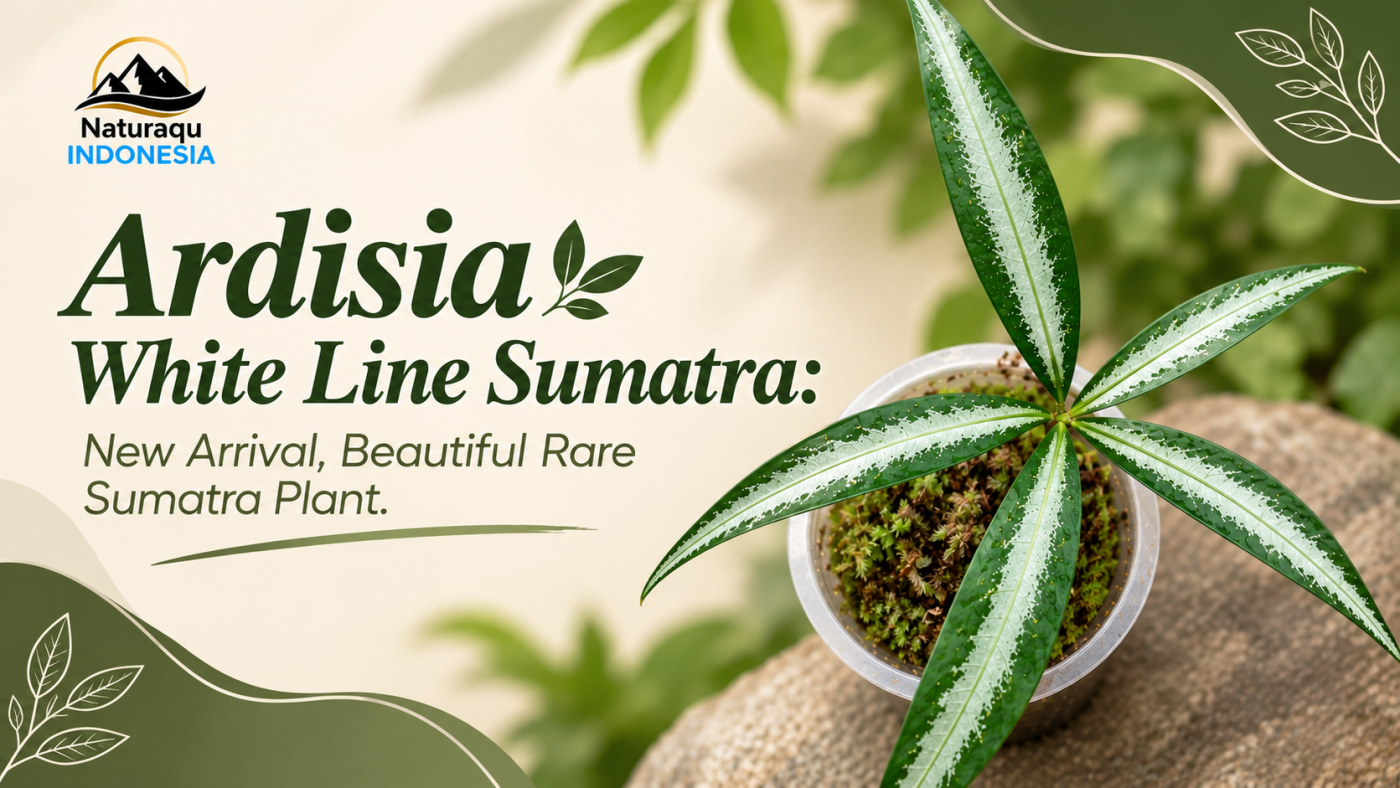
New arrival alert for rare plant lovers: Ardisia Sumatra, also known as Ardisia White Line, has just landed in our collection. This compact tropical plant is admired for the pale lines that run across its leaves, giving it a look that is clearly different from common green houseplants. In this article, you will learn what makes this plant special, how it grows in nature, and how to keep it healthy at home.
What Makes Ardisia Sumatra Special?
Ardisia is a large genus of tropical shrubs and small trees in the Primulaceae family. Many species grow in the shaded, humid understory of forests across Asia. Most are valued for their glossy leaves, and some also produce small flowers followed by bright berries.
The Sumatra form with white lines is popular because of its leaf pattern. The pale markings create contrast against the green leaf, so the plant looks elegant even without flowers. “Sumatra” is the locality label that collectors use to show where the plant comes from. You can read more about the genus on Wikipedia’s Ardisia page.
Why Collectors Love This New Arrival
There are several reasons this plant is a favorite:
- Distinctive leaves: The white lines make each leaf look hand-painted.
- Rarity: It is hard to find in regular plant shops.
- Compact size: It fits on a shelf, a desk, or in a large terrarium.
- Great companion plant: It looks beautiful next to ferns, mosses, and dark foliage.
Where Does Ardisia Sumatra Grow in Nature?
Ardisia plants usually grow on the forest floor and in the lower layers of the forest. The light there is soft and filtered, the air is humid, and the soil is rich in fallen leaves. When you copy these conditions at home, the plant stays healthy and keeps its leaf pattern sharp.
Ardisia Sumatra Care: Light and Temperature
Good Ardisia Sumatra care starts with gentle light. Place the plant in bright, indirect light or light shade, such as near an east-facing window or under a soft grow light. Harsh sun can scorch the leaves and fade the white lines. If the light is too low, growth slows down and the pattern may look less clear.
Warm temperatures between 20 and 30°C (68–86°F) suit it best. Avoid cold drafts and sudden temperature changes.
Water, Humidity, and Soil
Keep the mix lightly moist and water when the top layer feels slightly dry. Make sure the pot drains well, because soggy roots can rot. Moderate to high humidity keeps the leaves fresh. You can raise humidity by:
- Growing the plant in a semi-closed terrarium
- Grouping it with other humidity-loving plants
- Using a small humidifier nearby
For soil, use a loose, airy mix such as 2 parts cocopeat, 1 part perlite, 1 part fine bark, and a little compost.
Feeding and Propagation
Feed with a balanced liquid fertilizer at quarter to half strength every two to four weeks during the growing season. Reduce feeding when growth slows down. Some Ardisia can be grown from stem cuttings, but results vary, so be patient and keep the cutting warm and humid.
Common Ardisia Sumatra Problems
- Brown leaf edges: The air is too dry, or the plant gets too much sun.
- Yellow leaves: Usually caused by overwatering or poor drainage.
- Faded white lines: The light is too strong or too weak. Move the plant to a softer, brighter spot.
- Cotton-like white spots: These are mealybugs. Wipe them off and use mild insecticidal soap.
Check your plant every week so you can act early.
Where to Buy Ardisia Sumatra
Want to add this new arrival to your collection? You can buy Ardisia White Line here. You can also browse our rare tropical plants to see more fresh arrivals.
Final Thoughts
Ardisia Sumatra is a beautiful way to bring a rare, rainforest feel into your home. Give it soft light, steady moisture, and good humidity, and its white-lined leaves will stay crisp and eye-catching. Start with one plant, observe how it grows, and adjust your care slowly.
