
Uncategorized
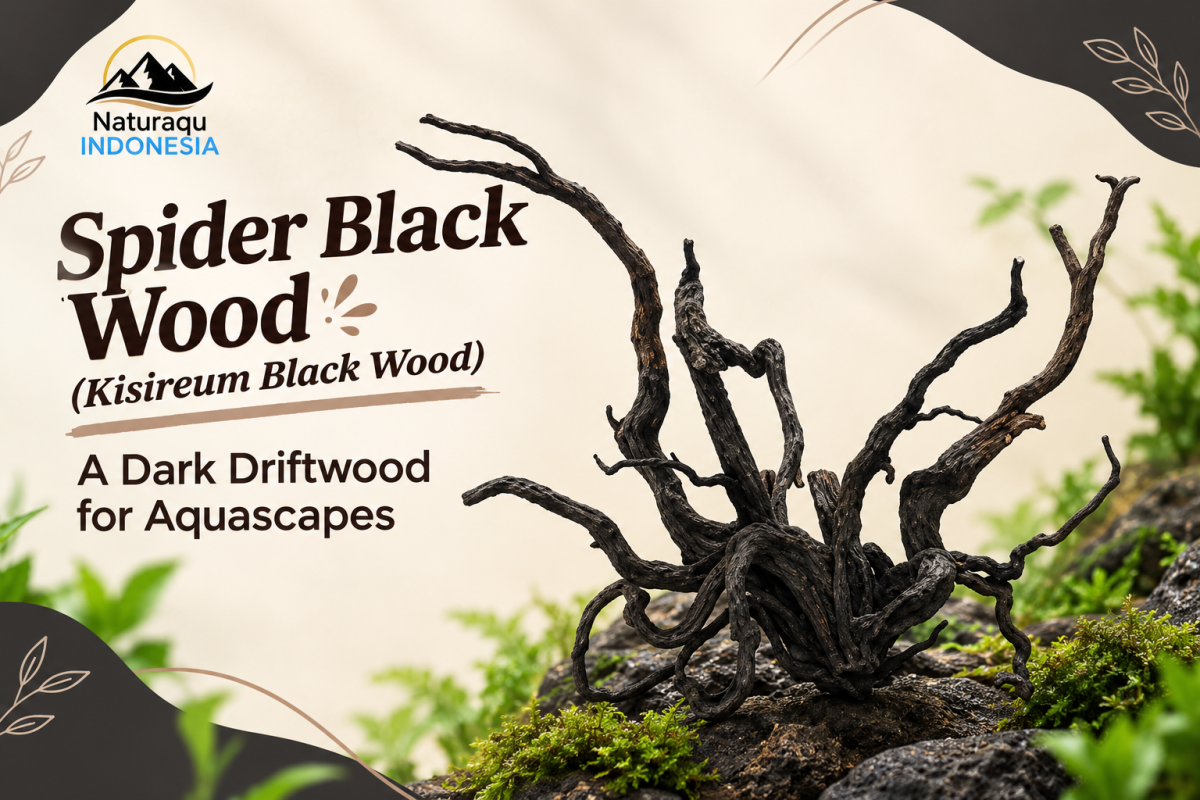
Spider Black Wood (Kisireum Black Wood): A Dark Driftwood for Aquascapes
Oct
Spider black wood, also sold as Kisireum Black Wood, is a branching natural driftwood that aquascapers use to build hardscape in aquariums, paludariums, and terrariums. Its thin, spreading branches and deep, dark tone create a dramatic, forest-like look that makes green plants stand out. In this guide, you will learn what makes this wood popular, how to prepare it, and how to use it in your layout.
What Is Spider Black Wood?
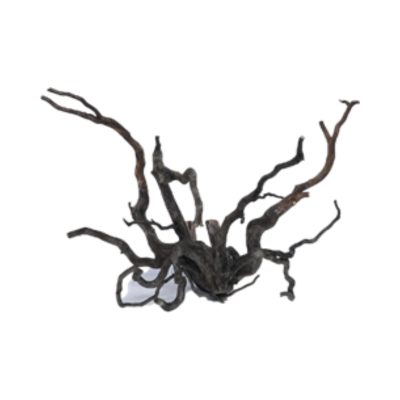
“Spider wood” is a common hobby name for driftwood with many thin, forked branches that spread out like spider legs. The “Black” in spider black wood describes its dark color, and “Kisireum” is the local trade name used by some sellers. Because these are trade names, the exact wood type, source, and shade can differ from one supplier to another.
For this reason, treat the details below as general guidance and check each piece before use. You can learn more about the hobby on Wikipedia’s Aquascaping page.
Why Hobbyists Choose Spider Black Wood
There are several reasons this wood is popular:
- Natural branching shape: The forked branches create depth and a realistic tree-like structure.
- Dark, dramatic color: It contrasts nicely with bright green plants, light stones, and white sand.
- Great for plants: Mosses, Java fern, and Bucephalandra can attach to the branches.
- Flexible layouts: It works in aquariums, paludariums, and terrariums.
How to Prepare Spider Black Wood Before Use
Good preparation keeps your tank clean and healthy. Follow these steps:
- Inspect the wood for mold, soft rot, or a bad smell. Do not use pieces that crumble.
- Scrub it with a clean brush under running water. Do not use soap or chemicals.
- Soak it in clean water, or boil it for about an hour if the piece fits in a pot. This helps remove dirt and release tannins.
- Keep soaking until the wood sinks. Some pieces float at first and may need a few days or some weight.
Tannins may turn the water slightly yellow or brown. This is usually harmless, but it can tint the tank. Regular water changes or activated carbon can reduce the color.
Using Spider Black Wood in an Aquascape
In an aquascape, spider black wood works well as the main structure. Use one large piece as a focal point, and add smaller pieces to extend the branches. Place the wood so the branches flow in one direction, which looks more natural than random angles.
Anchor the wood firmly with stones or aquascape-safe adhesive. Then attach mosses and rhizome plants to the branches and let them grow over time to soften the shape.
Using Spider Black Wood in a Paludarium or Terrarium
In a paludarium or terrarium, spider black wood can act as a climbing branch, a backdrop, or a bridge between water and land. Its rough, branching surface holds moisture, so mosses and small ferns can grow on it. Make sure the wood is stable and cannot tip over, especially if you keep animals.
Care and Maintenance Tips
- Algae: Wood can collect algae. Keep lighting moderate and brush the surface gently during water changes.
- Mold: In humid setups, white fuzzy growth can appear at first. Wipe it off or let aquatic animals clean it.
- Stability: Check that the wood stays firmly in place, especially after plant growth adds weight.
- Lifespan: Natural wood slowly softens over time. Replace it if it becomes mushy.
Where to Find Spider Black Wood
Ready to build your hardscape? You can buy Spider Black Wood (Kisireum Black Wood) here, and browse our natural supplies to see what is currently available.
Final Thoughts
Spider black wood is a simple way to give your aquascape, paludarium, or terrarium a bold, natural look. Choose a healthy piece, prepare it well, and arrange it with care. With a few plants on its branches, you can create a layout that feels like a small piece of dark, misty forest.
