
Uncategorized
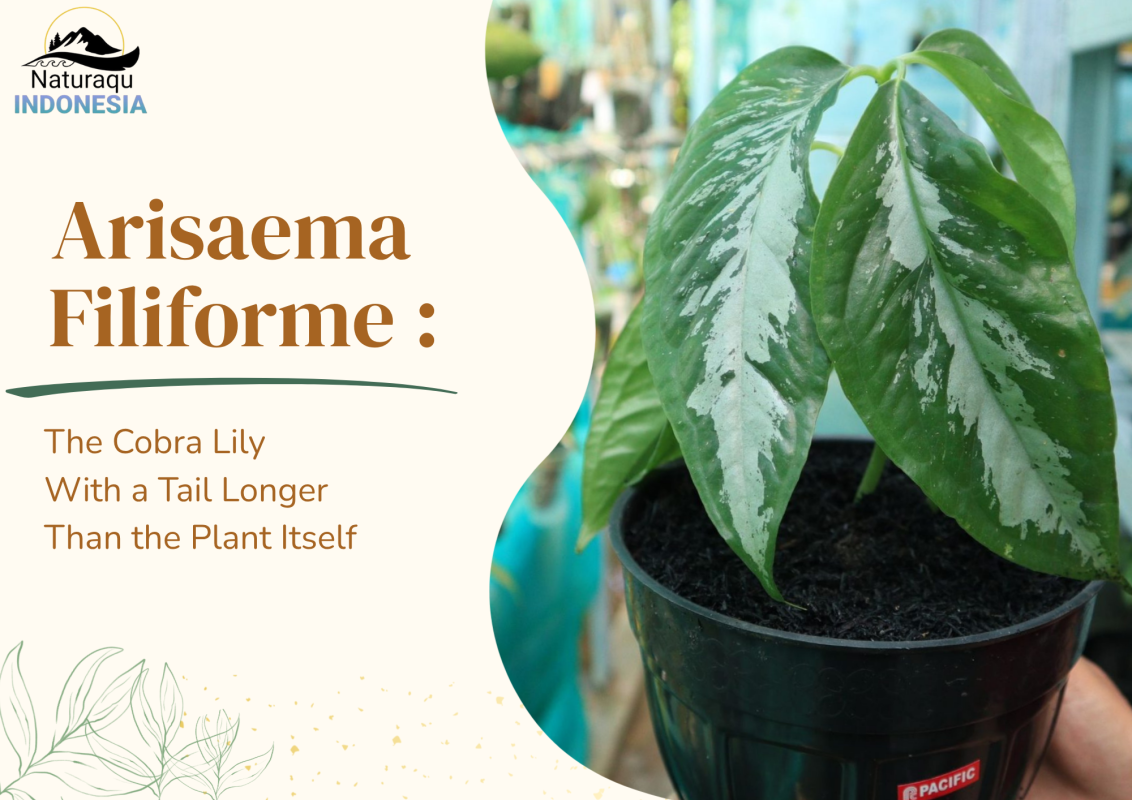
Arisaema Filiforme: The Cobra Lily With a Tail Longer Than the Plant Itself
Aug
Most Arisaema flowers end with a short, curled tip poking out from the hooded bloom. Arisaema Filiforme takes that same feature and stretches it into something dramatically longer. Its species name comes from the Latin word for thread, and the plant earns that name with a thin, trailing appendage that can extend well past the rest of the plant. Its leaves add their own quiet detail, marked with silver variegation that traces the veins from base to tip.
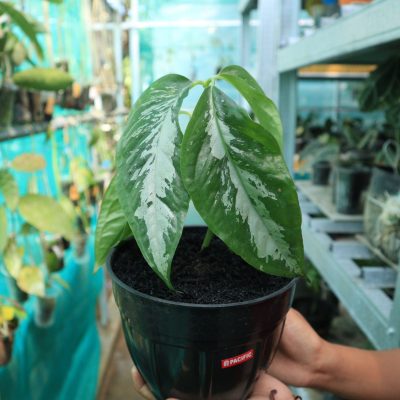
Image “Arisaema Filiforme leaves with silver variegation along the veins”
Why Arisaema Gets Called “Cobra Lily”
The genus Arisaema is widely nicknamed cobra lily, thanks to a hooded flower structure called a spathe that curls over the central spike, or spadix, in a shape resembling a cobra’s raised hood. Arisaema Filiforme follows this same basic architecture, but its spadix extends into a long, filament-like tail that sets it apart even within a genus already known for dramatic flower shapes.
The Silver Veining Adds a Second Layer of Appeal
Beyond the dramatic flower, Arisaema Filiforme’s foliage carries its own understated feature. Each leaflet shows fine silver streaks running along the veins, standing out softly against the deeper green background. This patterning gives the plant visual interest even outside its flowering period, when the tuber is putting energy into leaf growth rather than blooms.
What That Long Tail Is Actually For
In several Arisaema species, this trailing spadix appendage is thought to play a role in attracting the small flies and gnats that pollinate the plant, though the exact mechanism varies across species and isn’t fully documented for every one. The length and movement of the appendage likely helps draw insects toward the flower’s hooded chamber, where pollination takes place.
Where This Species Grows
Arisaema Filiforme is native to Indonesia, where it grows from an underground tuber in shaded, humid forest conditions. Like most Arisaema species, it follows a seasonal growth pattern, producing leaves and a flower during its active growing period before dying back to rest as a dormant tuber.
Growing Conditions It Needs
A few adjustments help this species thrive in cultivation:
- Bright, indirect light — direct sun can scorch leaves adapted to forest shade
- Well-draining, organically rich soil, since the tuber rots easily in waterlogged conditions
- Consistent moisture during active growth, tapering off as the plant heads into dormancy
- A dry, stable rest period once the foliage dies back naturally
Understanding the Dormancy Cycle
New growers sometimes worry when the plant collapses and dies back after flowering. This is normal, not a sign of poor care. The tuber is simply resting underground. Reduce watering once the foliage yellows and collapses, then resume once new growth signals the start of another active season.
Why Collectors Seek This Species Out
Arisaema already draws attention for its cobra-like flower shape, and Filiforme pushes that appeal further with a tail-like appendage that photographs dramatically and rarely appears on more common Arisaema species sold commercially. For collectors building a tuberous plant collection with genuine seasonal drama, it’s one of the more striking entries available.
Bring Home Your Own Arisaema Filiforme
Naturaqu ships healthy, well-established Arisaema Filiforme directly from our nursery. Every order includes a free Phytosanitary Certificate. We offer wholesale pricing for bulk orders. If a plant arrives dead on arrival, we replace it at no extra cost, excluding shipping. International shipping takes roughly 1-2 weeks once export permits clear.
Browse more Arisaema varieties in our Arisaema category, or see our full range of Rare Plants. Questions about dormancy care or shipping? Reach out through our contact page — we’re happy to help before you order.
For more on the genus itself, see the overview on Wikipedia and the genus record on Plants of the World Online.
