
Uncategorized
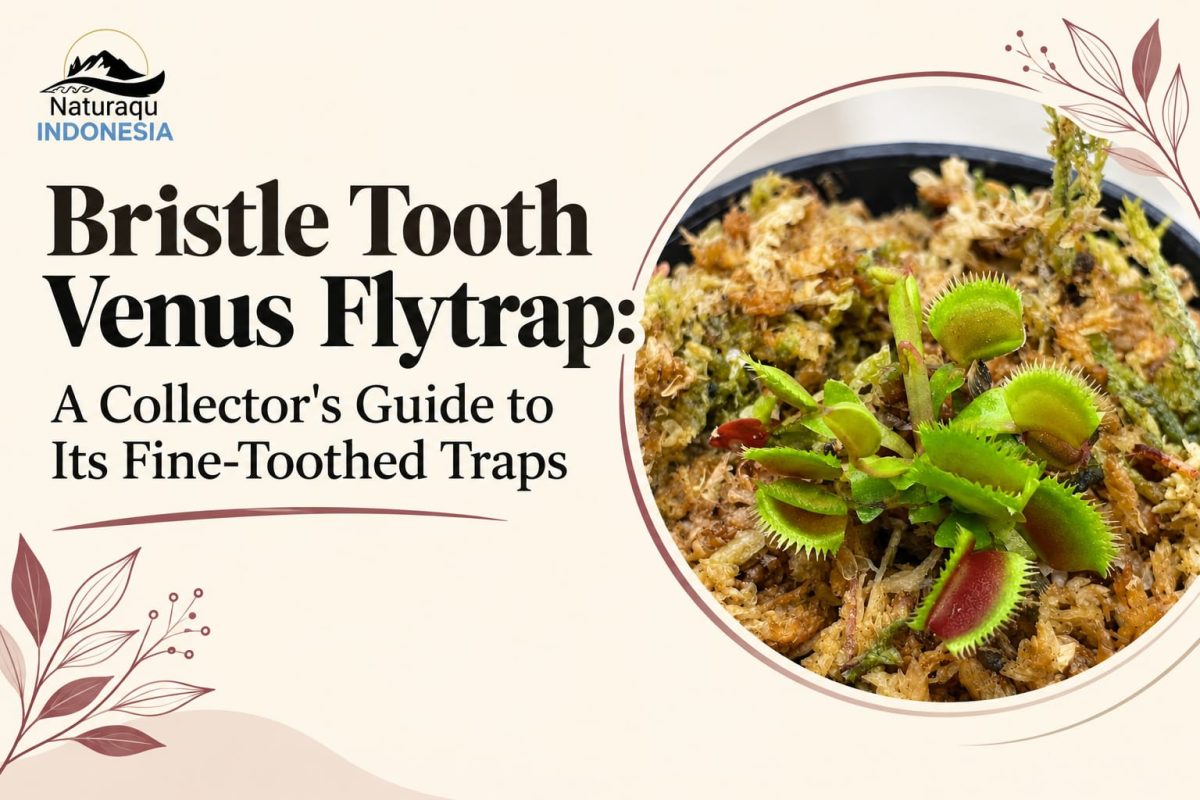
Bristle Tooth Venus Flytrap: A Collector’s Guide to Its Fine-Toothed Traps
Oct
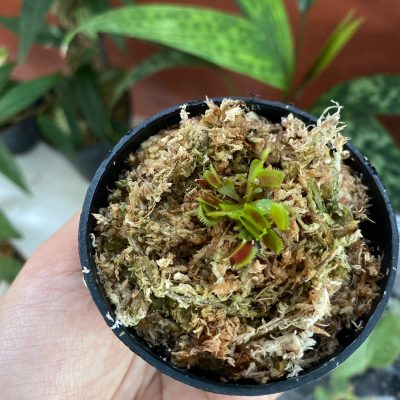
The bristle tooth venus flytrap is a Venus flytrap cultivar that collectors love for the fine, bristle-like teeth along its trap edges. Its botanical name is Dionaea muscipula “Bristle Tooth”. Like every flytrap, it catches small insects with snap-shut leaves, but its delicate teeth give it a look that is clearly different from a standard flytrap. In this guide, you will learn how the plant works, what makes this cultivar special, and how to care for it.
What Is a Bristle Tooth Venus Flytrap?
Dionaea muscipula is the only species in its genus, and it is one of the most famous carnivorous plants in the world. A cultivar is a selected form of a species, grown and shared because of a special trait. In this case, the trait is the thin, bristle-like teeth that line the edge of each trap.
Information about the exact origin of this cultivar is limited, so it is best to treat the name as a collector’s label for the look of the plant. You can read more about the species on Wikipedia’s Venus flytrap page.
How the Venus Flytrap Catches Its Prey
The trap is actually a modified leaf with two lobes. Inside each lobe are tiny trigger hairs. When an insect touches two hairs within a short time, or one hair twice, the trap snaps shut. The teeth along the edge then interlock like a cage.
Once the trap is closed, it seals tightly and slowly digests the insect. This usually takes about a week or more. After that, the trap reopens. Each trap can only close a limited number of times, and then it turns black and is replaced by a new one. This is normal, so do not worry when an old trap dies.
Why Collectors Love the Bristle Tooth Venus Flytrap
There are a few reasons this cultivar stands out:
- Distinctive teeth: The fine, bristle-like edges make the traps look delicate and unusual.
- Easy to display: It stays compact, so it fits on a bright windowsill, a desk, or in an open terrarium.
- Fascinating to watch: Few plants offer such a clear, visible way of catching food.
- A great gift: It is a conversation piece for plant lovers of all ages.
Bristle Tooth Venus Flytrap Care: Light and Water
Good bristle tooth venus flytrap care starts with strong light. Give the plant as much bright light as you can, including several hours of direct sun. If the light is weak, the traps turn pale and the leaves become long and floppy.
Water is just as important. Use rainwater, distilled water, or very clean low-mineral water. Minerals in tap water build up in the soil and can damage the roots. Keep the soil moist at all times, and a shallow tray of water under the pot works well.
Best Soil for a Bristle Tooth Venus Flytrap
Venus flytraps grow in poor, acidic soil in nature, so they need a nutrient-free mix. A simple and reliable recipe is:
- 2 parts peat moss
- 1 part perlite or silica sand
Never use regular potting soil, compost, or fertilizer. These can burn the roots and kill the plant quickly.
Feeding Your Bristle Tooth Venus Flytrap
In most homes, the plant can catch enough small insects by itself. If you want to feed it, give one small live insect, such as a tiny cricket or fly, to one trap at a time. Do not feed meat, cheese, or human food. If the insect is too big, the trap can rot and turn black.
Also avoid touching the traps just to watch them close. Each closing uses energy, and too many false triggers weaken the plant.
Dormancy and Warm Climates
In its native habitat, the Venus flytrap rests during a cool winter. In this period, growth slows, and some traps die back. Many growers give the plant a few cooler months each year to keep it strong over the long term.
In hot tropical climates, a true cold winter is hard to provide. If you live in a warm area, place the plant in the brightest and coolest spot you have, keep the soil moist, and remove dead leaves. Watch the plant closely, because some plants slow down or weaken in constant heat. Be patient, and adjust your care slowly.
Common Bristle Tooth Venus Flytrap Problems
- Black traps: Old traps turning black is normal. Cut them off once they are fully dark.
- Pale, floppy leaves: The plant needs more light.
- Brown, mushy growth: Too much heat or poor airflow. Improve ventilation and remove rotting parts.
- No closing traps: The plant may be tired, dormant, or lacking light. Give it time and good conditions.
- Aphids or fungus gnats: Remove them gently and avoid strong chemicals.
Where to Buy a Bristle Tooth Venus Flytrap
Ready to start your collection? You can buy Dionaea Muscipula Bristle Tooth here. You can also browse our carnivorous plants for more collector favorites.
Final Thoughts
The bristle tooth venus flytrap combines a fascinating way of catching food with an elegant, fine-toothed look. Give it strong light, clean water, a nutrient-free soil mix, and a little patience, and it will reward you with healthy new traps. Start with one plant, observe how it grows, and adjust your routine step by step.
