
Uncategorized
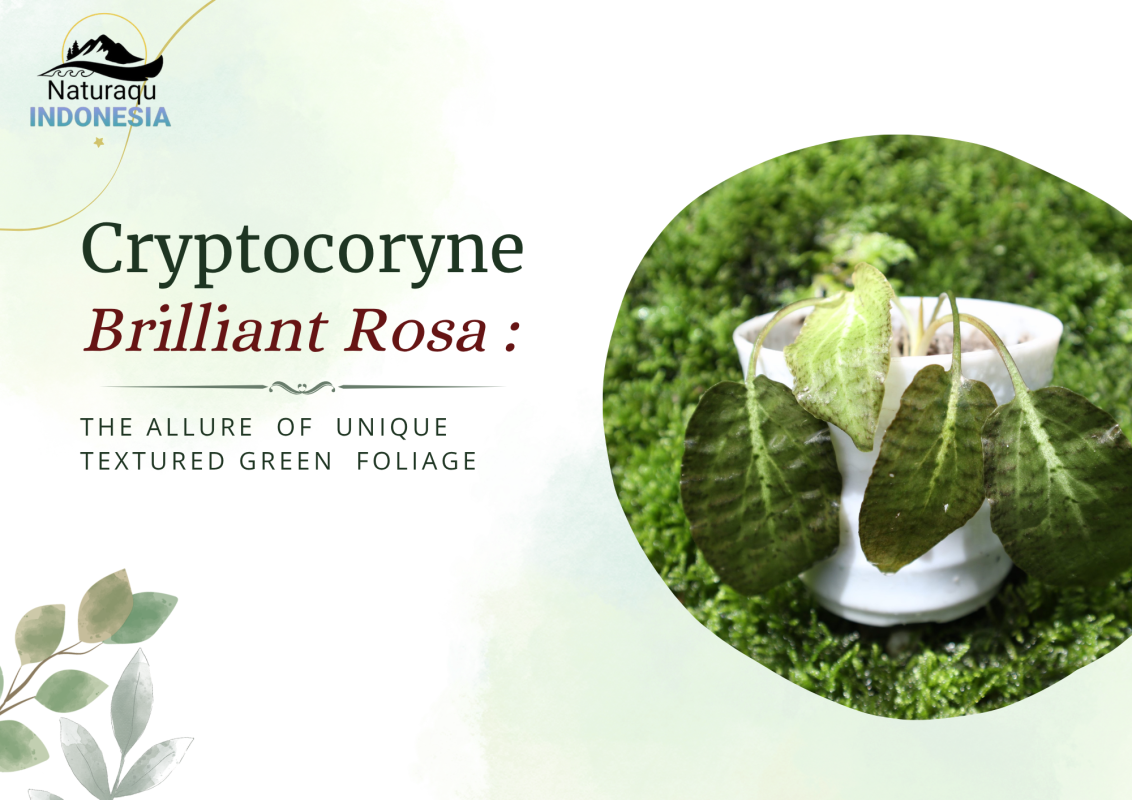
Cryptocoryne Brilliant Rosa: The Allure of Unique Textured Green Foliage
Jul
At first glance, its leaves look like ordinary deep green foliage, but look closer and you’ll notice a
rippled, almost quilted texture with subtle dark speckling running along the leaf surface. It’s this
understated, textured beauty that has made Cryptocoryne Brilliant Rosa a favorite among collectors who want
something a little different from the usual aquascape staples.Whether you’re growing it emersed in a small pot or fully submerged in a planted tank, this crypt rewards
patient care with a distinctive look that few other plants can match.
What Makes Cryptocoryne Brilliant Rosa Stand Out?
Cryptocoryne Brilliant Rosa belongs to the wider Cryptocoryne genus, part of the Araceae family
native to the rivers, streams, and marshlands of Southeast Asia. Its leaves display a rich green-brown tone
with a naturally wavy, textured surface — a trait shared by many crypts but expressed here in a particularly
striking way. Unlike the smoother-leaved varieties like Cryptocoryne Wendtii, Brilliant Rosa’s foliage has
more visual depth, making it a standout centerpiece even in a mixed planting.
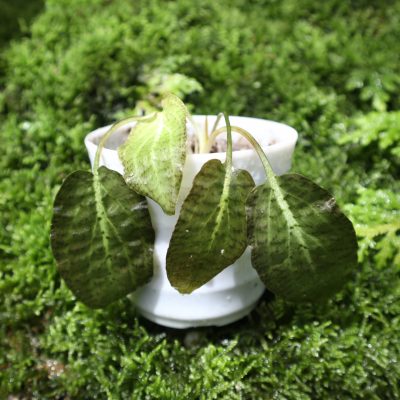
Image”Cryptocoryne Brilliant Rosa with textured green leaves growing in a small pot”
Caring for Cryptocoryne Brilliant Rosa
Lighting and Placement
Like most crypts, Cryptocoryne Brilliant Rosa does well under low to moderate lighting, making it a
forgiving choice even for tanks that aren’t heavily lit. Place it in the mid or background of your aquascape,
away from strong water flow, since crypts generally prefer calmer areas where they won’t be disturbed.
Substrate and Water Parameters
A nutrient-rich substrate helps this plant establish strong roots. Stable water parameters matter more than
perfection here — sudden swings in temperature or hardness are more likely to stress the plant than a
slightly imperfect but consistent setup.
Growth Rate and Patience
Cryptocoryne Brilliant Rosa, like other crypts, grows slowly. It’s best introduced into a mature, cycled
tank rather than a freshly set up one. Don’t be alarmed if you see some leaf melt after transplanting — this
is a common and usually temporary reaction as the plant adjusts to its new environment before pushing out
fresh growth.
Common Issues and How to Handle Them
- Crypt melt after transplanting: Normal and temporary — trim melted leaves and wait for new growth.
- Algae on leaves: Usually linked to decaying foliage or inconsistent tank maintenance.
- Slow or stunted growth: Check substrate nutrients and avoid moving the plant too often.
Why Cryptocoryne Brilliant Rosa Belongs in Your Collection
For aquascapers looking to add texture and depth to their layout, Cryptocoryne Brilliant Rosa offers
something most foreground and midground plants can’t: a naturally sculptural leaf surface that catches the
light beautifully underwater. It pairs well with smoother-leaved plants and hardscape elements, creating
contrast without competing for attention.
Ready to add this textured beauty to your tank? Browse our full
aquatic plant collection, complete your setup with our
aquascape hardscape supplies, or read more plant care guides on
our blog. For a broader look at crypt care across species, this
Cryptocoryne care guide
is also worth a read.
