
Uncategorized
Homalomena sp: Exotic Borneo Aroid — Light, Humidity & Soil Guide
Jul
Tucked beneath the dense canopy of Borneo’s rainforests grows a plant that has quietly captured the attention of tropical plant collectors around the world: Homalomena sp. With its glossy, heart-shaped foliage and understated elegance, this aroid brings a piece of Borneo’s untouched wilderness into any indoor space. If you’re looking to add a rare and low-maintenance tropical plant to your collection, this guide will walk you through everything you need to know.
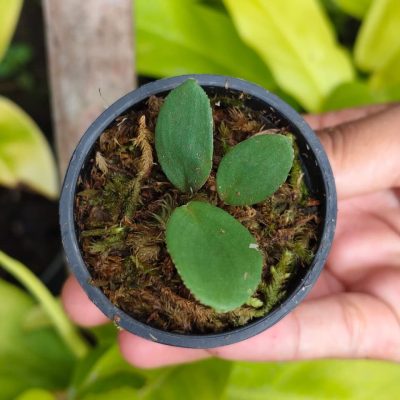
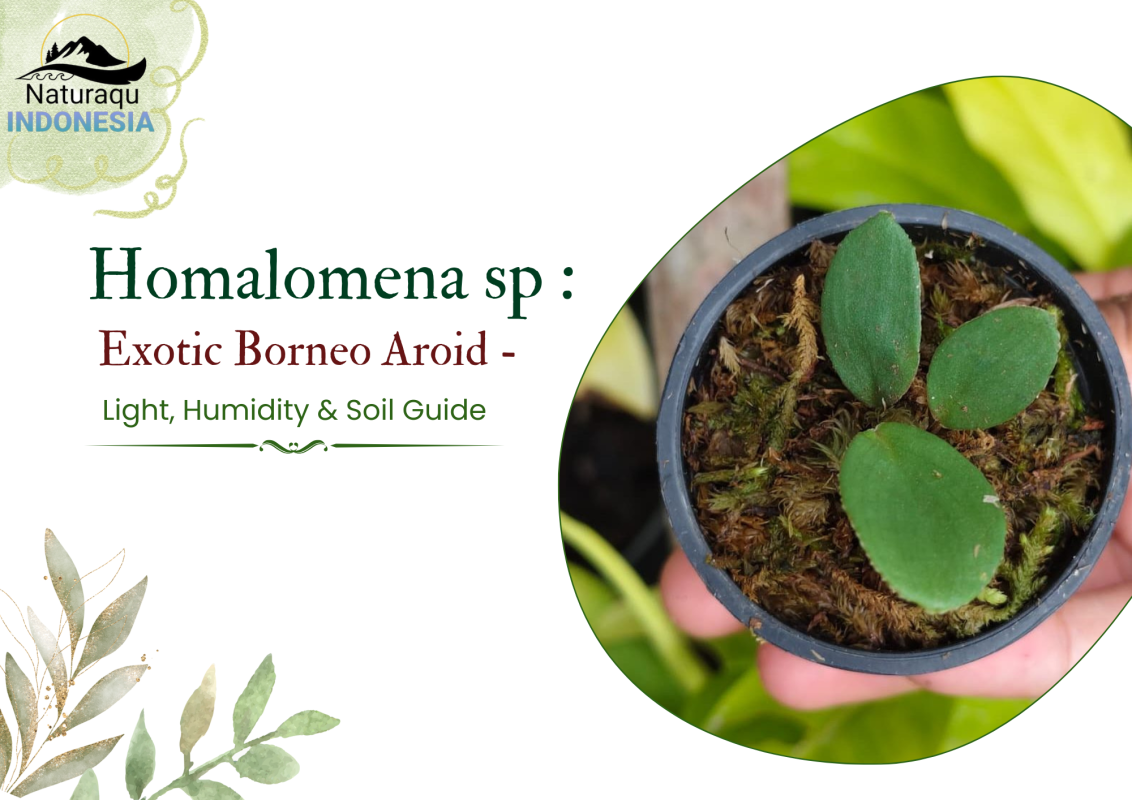
Image “Homalomena sp starter plant with three young leaves”
What Makes Homalomena sp So Special
Homalomena is a genus of tropical aroids found throughout Southeast Asia, with several species and varieties endemic to the island of Borneo. Unlike more common houseplants, many Homalomena types are still being documented by botanists, making them a genuinely exciting find for collectors who appreciate plants with a story. Their thick, waxy leaves and compact growth habit make them well-suited to indoor environments, while their rainforest origins mean they thrive in conditions many homes can easily replicate.
Light Requirements for Healthy Growth
In its natural habitat, Homalomena sp grows in the shaded understory of the rainforest, filtered by a thick canopy above. This makes it an excellent choice for spaces that don’t receive direct sun.
- Ideal light: Bright, indirect light is best. A spot near an east-facing window or a few feet back from a south or west-facing window works well.
- Avoid: Direct sunlight, which can scorch the leaves and cause discoloration.
- Low light tolerance: Homalomena sp can tolerate lower light conditions, though growth will slow and leaf color may become less vibrant.
Humidity and Temperature Needs
Coming from a tropical rainforest environment, Homalomena sp appreciates consistently warm and humid conditions.
- Humidity: Aim for 60% or higher. A pebble tray, humidifier, or grouping it with other tropical plants can help maintain adequate moisture in the air.
- Temperature: Keep temperatures between 20–30°C (68–86°F). Avoid placing the plant near cold drafts, air conditioning vents, or heaters.
- Signs of low humidity: Crispy leaf edges or curling foliage often indicate the air is too dry.
Choosing the Right Growing Medium
A well-draining but moisture-retentive substrate is key to keeping this aroid healthy long-term.
- Recommended mix: A blend of aroid potting mix, perlite, and orchid bark provides the aeration and drainage this plant needs.
- Alternative option: Sphagnum moss combined with coarse perlite also works well, particularly for maintaining consistent moisture around the roots.
- Drainage: Always use a pot with drainage holes to prevent water from pooling around the root system, which can lead to rot.
Watering Tips
Homalomena sp prefers evenly moist soil but is sensitive to overwatering.
- Water when the top 2–3 cm of soil feels dry to the touch.
- Reduce watering frequency during cooler months when growth slows.
- Always allow excess water to drain freely from the pot.
Common Issues and How to Prevent Them
Like most aroids, Homalomena sp is relatively low-maintenance once its needs are met, but a few issues can arise:
- Yellowing leaves: Often a sign of overwatering or poor drainage.
- Brown, crispy edges: Usually caused by low humidity or excessive direct light.
- Slow growth: Typically linked to insufficient light or nutrient-poor soil. A diluted balanced fertilizer during the growing season can help.
Bring a Piece of Borneo’s Rainforest Home
Homalomena sp offers a rare opportunity to grow a genuinely wild, island-endemic aroid without the fuss of high-maintenance tropicals. With the right balance of indirect light, humidity, and a well-draining growing medium, this Borneo native can thrive as a striking addition to any indoor plant collection.
Explore more rare and exotic species from Borneo’s rainforests in our rare plants collection, or browse our full range of tropical houseplants for your next addition. Every order comes with a free Phytosanitary Certificate, wholesale pricing options, and our DOA replacement policy for peace of mind.
Want to learn more about aroid care in general? Check out this species occurrence data on GBIF or explore Plants of the World Online for detailed taxonomic information on the Homalomena genus.
