
Uncategorized
Caladium One World: The Paper-Thin Leaf That Dies Every Winter and Comes Back Anyway
Aug
New Caladium owners often panic at the same moment. The leaves that looked so vibrant a few weeks ago start yellowing, collapsing, and dying back completely. It looks like the plant is dying. In most cases, it isn’t. Caladium One World simply follows a natural dormant cycle, and the tuber underground is waiting to grow again.
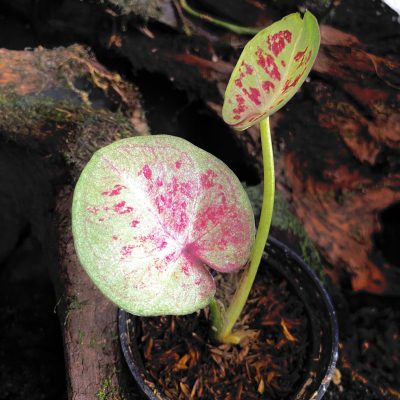
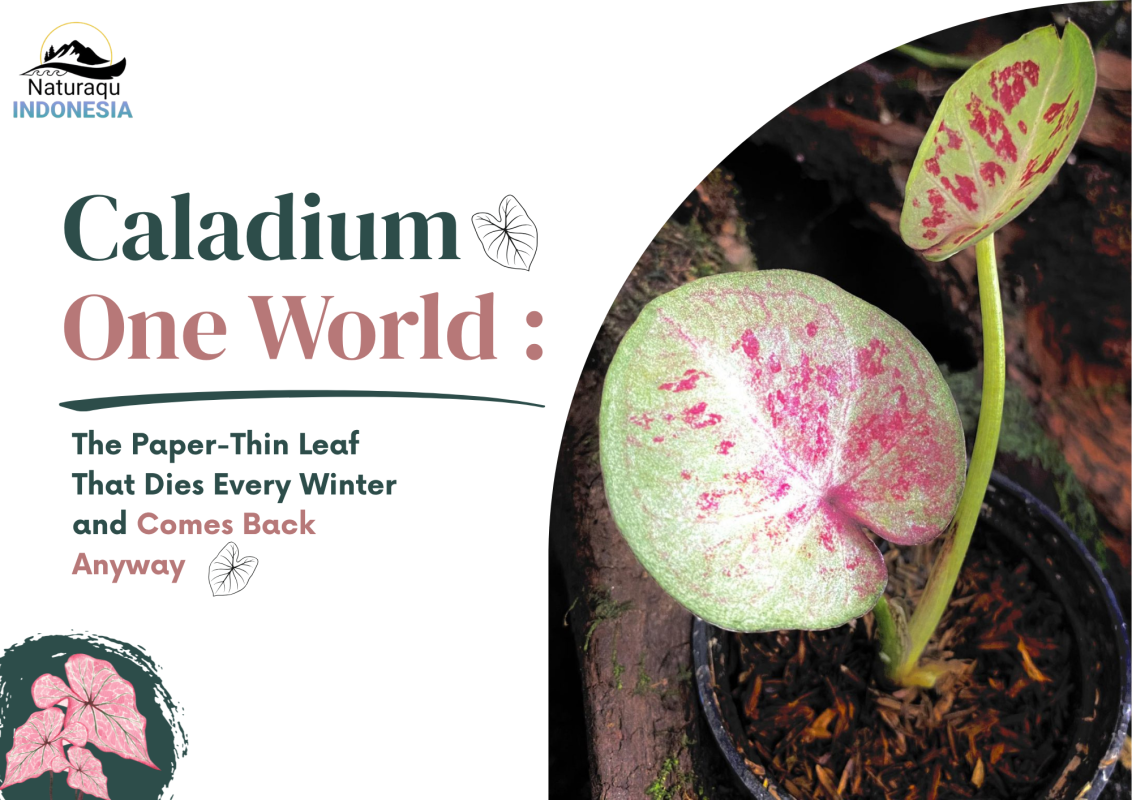
Image “Caladium One World leaves with pink-red splashed pattern on light green base”
Why the Leaves Are So Thin in the First Place
Caladium leaves are famously delicate, almost translucent when held up to light. This paper-thin structure lets the plant grow large, dramatic foliage quickly without investing heavy resources into thick leaf tissue. The tradeoff is durability. Thin leaves scorch easily in direct sun and wilt fast without consistent moisture, which is part of why Caladium care focuses so heavily on shade and humidity.
What’s Actually Happening When Leaves Die Back
Caladium grows from an underground tuber, similar to how a dahlia or a canna lily grows. As temperatures drop or light hours shorten, the plant redirects its energy into the tuber and lets the leaves die off entirely. This isn’t disease or neglect. It’s the plant’s built-in survival strategy, storing energy underground until conditions improve enough to support new leaf growth again.
How to Handle the Dormant Period
Once leaves start yellowing and collapsing on their own, a few steps keep the tuber healthy through dormancy:
- Stop watering gradually as leaves die back, rather than cutting it off all at once
- Trim away fully dried foliage once it detaches easily from the base
- Store the pot somewhere dry and stable, ideally between 65-70°F (18-21°C)
- Leave the tuber undisturbed in its pot rather than repotting during dormancy
Bringing It Back to Life
New growth typically appears once warmer temperatures and longer light hours return. At that point, resume watering gradually and move the pot back into bright, indirect light. Refreshing the top layer of soil with new potting mix at this stage also gives the tuber a boost heading into its next active growing season.
Why the Dormancy Confuses So Many New Growers
Most houseplants signal trouble through gradual decline, so a Caladium collapsing completely within days can look alarming by comparison. The key difference is timing and pattern: dormancy happens on a predictable seasonal cycle, while disease or root rot usually shows up alongside mushy stems, foul odor, or blackened tuber tissue. Learning to tell the two apart saves a lot of unnecessary tubers from getting tossed out too early.
Why It’s Still Worth Growing Despite the Die-Back
The dramatic seasonal cycle is part of what makes Caladium One World rewarding rather than frustrating once you understand it. Each growing season brings a fresh flush of large, boldly patterned leaves, essentially giving the plant a yearly reset rather than a slow decline over time.
Bring Home Your Own Caladium One World
Naturaqu ships healthy, well-established Caladium One World directly from our nursery. Every order includes a free Phytosanitary Certificate. We offer wholesale pricing for bulk orders. If a plant arrives dead on arrival, we replace it at no extra cost, excluding shipping. International shipping takes roughly 1-2 weeks once export permits clear.
Browse more Caladium varieties in our Caladium category, or see our full range of Common House Plants. Questions about dormancy care or shipping? Reach out through our contact page — we’re happy to help before you order.
For more on the genus itself, see the overview on Wikipedia and the genus record on Plants of the World Online.
