
Uncategorized
Amorphophallus Pendulus: The Compact Relative of Indonesia’s Giant Corpse Flower
Aug
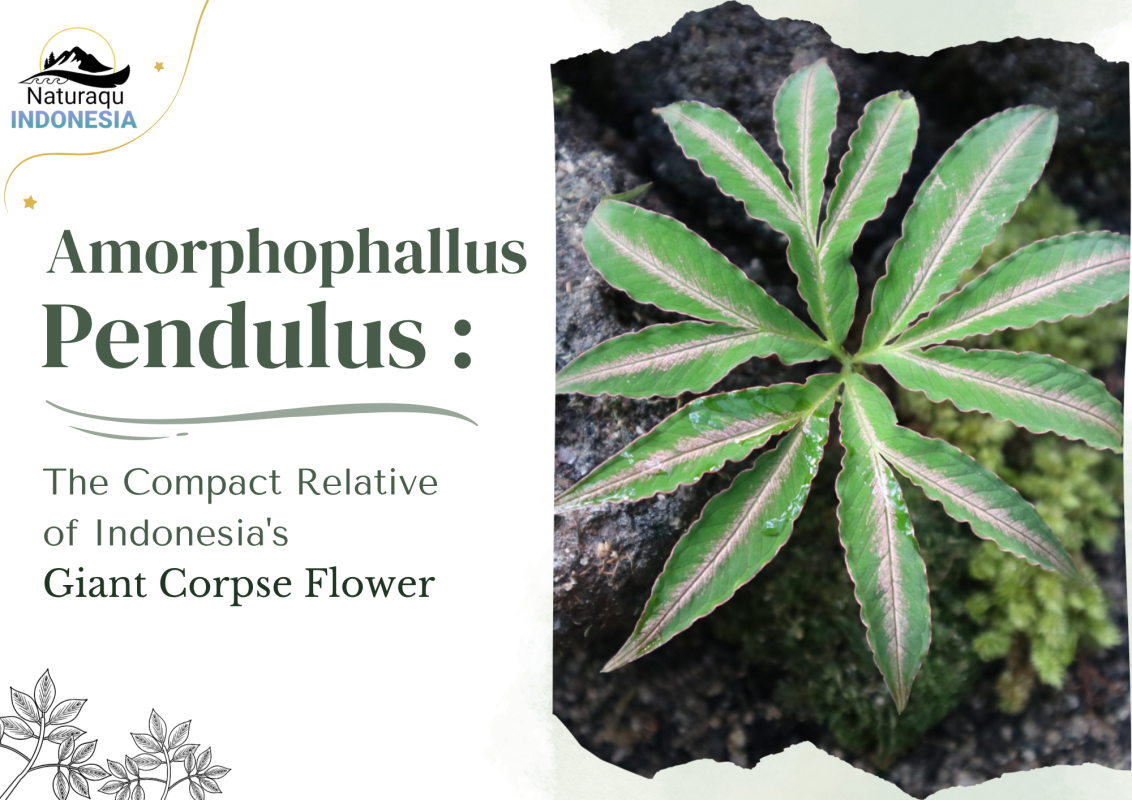
Say the word “Amorphophallus” to most people and one plant comes to mind: the giant corpse flower, famous for its towering height and its unmistakable smell. Amorphophallus Pendulus belongs to the same genus, but it tells a completely different story. Its leaf spreads out into a star-shaped rosette of narrow, pointed segments, radiating from a single central point.
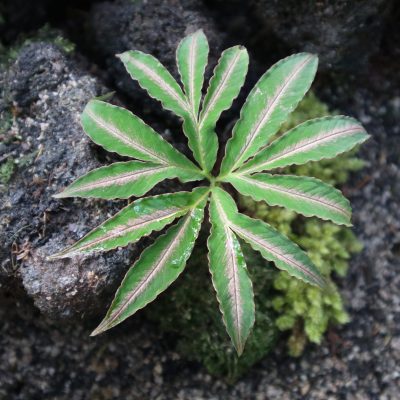
Image “Amorphophallus Pendulus leaf with star-shaped segments and pink-tinged veins”
Same Genus, Very Different Plant
The genus Amorphophallus includes roughly 200 species. Amorphophallus titanum, the corpse flower endemic to Sumatra, is the one most people recognize from viral news stories about its size and smell. Amorphophallus Pendulus sits in the same genus but occupies a much smaller niche. Its tuber stays compact, and its foliage fits comfortably on a windowsill rather than requiring a botanical garden.
What the Plant Actually Looks Like
Like most Amorphophallus species, Pendulus grows from an underground tuber. A single stalk emerges from the tuber and unfurls into one leaf, divided into narrow, finger-like segments that fan out like a star or a rosette. Each segment has a serrated edge and a pale, almost pinkish vein running down its center, standing out against the darker green surface. This single-leaf growth habit is typical across the genus, though the shape and scale vary enormously from species to species.
Where It Comes From
Amorphophallus Pendulus is native to Indonesia, where it grows as part of the region’s rich aroid diversity. Indonesia’s forests host an unusually high number of Amorphophallus species, ranging from small collector plants like this one to the record-breaking corpse flower itself.
Growing Conditions It Needs
Amorphophallus Pendulus follows a seasonal growth cycle, which shapes how it should be cared for:
- Bright, indirect light during active growth, since the leaf can scorch under direct sun
- Well-draining soil with organic matter, since the tuber rots easily in waterlogged conditions
- Regular watering while the leaf is actively growing, tapering off as the plant heads into dormancy
- A dry, cool rest period once the leaf dies back, similar to how you’d store a dahlia tuber over winter
Understanding the Dormancy Cycle
New growers sometimes panic when the single leaf yellows and dies back. This is normal, not a sign of a dying plant. The tuber is simply resting. Reduce watering once the leaf collapses, and store the tuber somewhere dry and stable until new growth appears. Resuming water too early can cause the tuber to rot before it’s ready to grow again.
Why It’s a Good Entry Point Into the Genus
Corpse flowers demand years of patience, huge space, and very specific conditions before they ever bloom. Amorphophallus Pendulus offers a much more approachable way to grow something from the same genus. It’s compact, its care routine is manageable, and it still carries that same unusual star-shaped leaf that makes Amorphophallus such a distinctive group of plants.
Bring Home Your Own Amorphophallus Pendulus
Naturaqu ships healthy, well-established Amorphophallus Pendulus directly from our nursery. Every order includes a free Phytosanitary Certificate. We offer wholesale pricing for bulk orders. If a plant arrives dead on arrival, we replace it at no extra cost, excluding shipping. International shipping takes roughly 1-2 weeks once export permits clear.
Browse more Amorphophallus species in our Amorphophallus category, or see our full range of Rare Plants. Questions about dormancy care or shipping? Reach out through our contact page — we’re happy to help before you order.
For more on the genus itself, see the overview on Wikipedia and the record for the genus’s most famous species on Amorphophallus titanum.
