
Uncategorized
Pinguicula Ehlersiae Facts: 6 Unique Things About This Butterwort
Nov
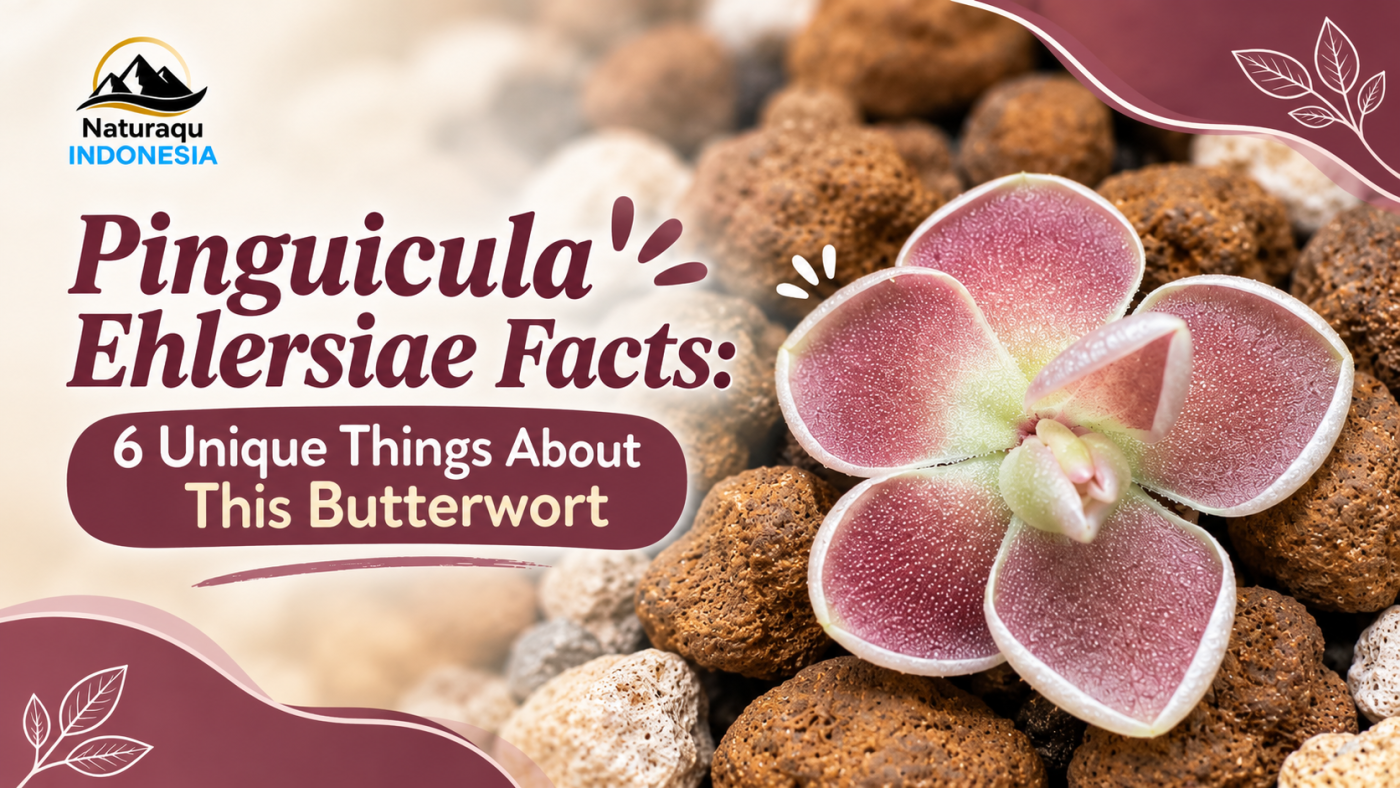
Pinguicula ehlersiae facts show a small plant with a surprisingly clever lifestyle. This Mexican butterwort looks like a neat rosette of leaves, yet each leaf is a sticky trap for tiny insects. In this article, you will learn six unique facts that make this plant a favorite among carnivorous plant collectors.
Fact 1: It Is a Carnivorous Plant That Looks Gentle
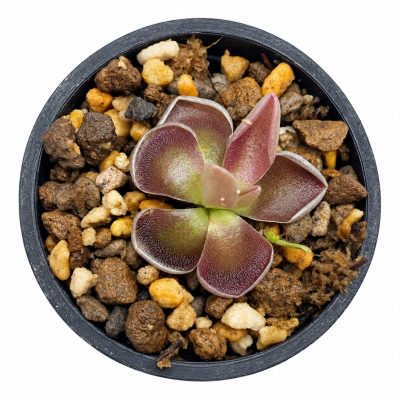
Pinguicula ehlersiae belongs to the butterworts, a group of carnivorous plants. Its leaves are covered in tiny glands that produce a sticky, dewy liquid. Small insects such as gnats land on the leaf and get stuck. The plant then releases enzymes to digest them and absorb the nutrients. You can read more about the genus on Wikipedia’s Pinguicula page.
Fact 2: The Genus Name Means “Little Greasy One”
The name Pinguicula comes from the Latin word for “fat” or “greasy”. It describes the shiny, buttery feel of the leaf surface. This is also where the common name “butterwort” comes from. The sticky leaf does not hurt people, but it is an effective trap for small insects.
Fact 3: It Comes from Mexico
Many butterworts grow in cool northern regions, but Pinguicula ehlersiae is a Mexican species. Mexico is home to many butterworts, and they often grow on rocky slopes and cliffs. Because of this habitat, they like sharp drainage and do not enjoy wet feet.
Fact 4: Its Name Honors a Person
The species name “ehlersiae” is a Latinized form of a surname, and it is generally understood to honor a collector or botanist connected to Mexican plants. The exact story is not widely documented in collector circles, so it is best to treat it as a fun background detail rather than a confirmed history.
Fact 5: It Can Change Through the Seasons
Many Mexican butterworts do not look the same all year. Some form sticky, carnivorous leaves in the wetter season, and smaller or less sticky leaves in the drier season. If your plant looks different after a few months, it may simply be following its natural rhythm. Seasonal patterns can differ between plants, so watch your own plant closely.
Fact 6: Its Flowers Rise Above the Rosette
Butterworts produce flowers on slender stalks that rise above the leaves. This keeps the flowers away from the sticky traps, so pollinating insects are not caught by accident. It is a simple but clever design. Blooming depends on good light and stable care.
What Does It Need to Grow Well?
Pinguicula ehlersiae likes bright light, clean low-mineral water, a nutrient-poor and well-draining mix, and good airflow. Never use regular potting soil or fertilizer. For a step-by-step guide, read our butterwort care tips.
Where to Find Pinguicula Ehlersiae
Want to see these facts in real life? You can buy Pinguicula ehlersiae here. You can also browse our carnivorous plants for more collector favorites.
Final Thoughts
These Pinguicula ehlersiae facts show why a small rosette can be so fascinating. It is a sticky-leaved hunter from Mexico, with a name full of history and a lifestyle that changes with the seasons. If you enjoy plants with character, it is a great addition to a carnivorous plant collection.
