
Uncategorized
Aglaonema Pictum Bicolor: The Camouflage-Patterned Plant That Isn’t Your Grandma’s Chinese Evergreen
Aug
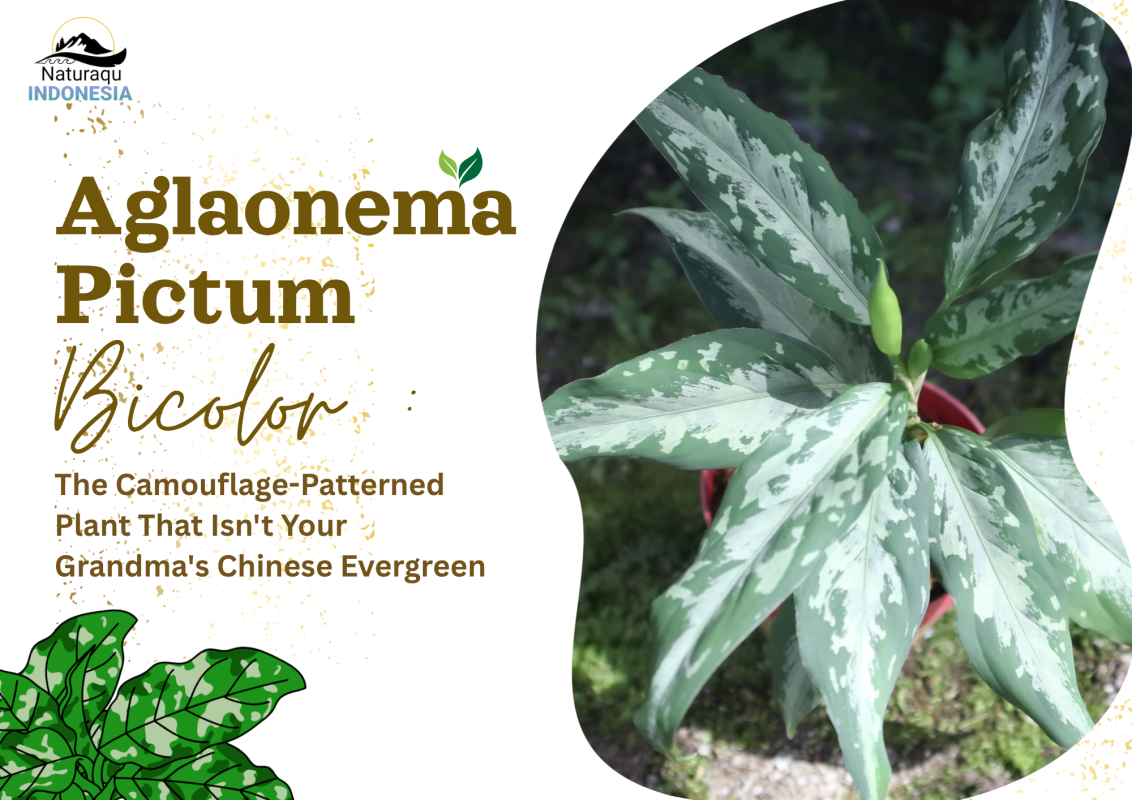
Say “Aglaonema” and most people picture the same thing: a low-maintenance office plant with plain green or pink-blushed leaves, sold in bulk at garden centers. Aglaonema Pictum Bicolor breaks that image completely. Its leaves carry an irregular, mottled pattern of dark and light green, closer to military camouflage than anything found on a typical Chinese Evergreen.
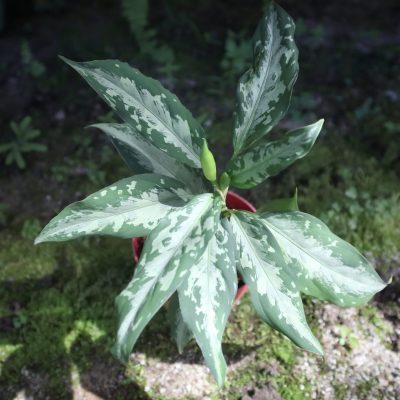
Image “Aglaonema Pictum Bicolor plant with narrow lance-shaped leaves in silver-green camouflage pattern”
A Pattern That Sets It Apart From Common Aglaonema
Most Aglaonema sold commercially are hybrids bred for consistent, predictable coloring. Pictum Bicolor is different. Its mottled pattern isn’t a hybrid trait bred for uniformity — it’s the plant’s natural wild appearance. No two leaves show quite the same arrangement of light and dark patches, which gives every plant its own individual look.
Where This Species Comes From
Aglaonema Pictum Bicolor is native to Indonesia, where it grows on the forest floor in shaded, humid conditions beneath taller vegetation. That low-light understory habitat explains why the species tolerates dimmer indoor spaces better than many other houseplants — it evolved to make the most of filtered light reaching through a forest canopy.
Why It’s Harder to Find Than Common Aglaonema
Unlike hybrid Aglaonema varieties, which nurseries mass-produce through tissue culture, Pictum Bicolor grows and propagates more slowly in cultivation. Wild-type plants like this one also face increasing habitat pressure in their native range, which has made responsibly sourced specimens more valuable among collectors. Buying from growers who can confirm legal, sustainable sourcing matters more with a species like this than with common hybrid houseplants.
Growing Conditions It Needs
A few adjustments help this species thrive indoors:
- Low to medium indirect light — this species tolerates shade better than most houseplants, reflecting its forest floor origins
- Humidity around 60% or higher, which helps prevent leaf edges from browning
- A well-draining, chunky potting mix, since the roots don’t tolerate sitting in wet soil
- Stable warm temperatures, avoiding cold drafts that can stress the plant
What Makes It Trickier Than a Standard Chinese Evergreen
Common Aglaonema hybrids tolerate neglect well, which built their reputation as nearly indestructible office plants. Pictum Bicolor asks for more consistency. Overwatering leads to root rot quickly, and inconsistent humidity can slow growth or dull the leaf pattern over time. It rewards attentive care rather than forgiving inconsistent care the way its common hybrid relatives do.
Why Collectors Seek This One Out
The combination of a genuinely wild, unpredictable pattern and a native range facing real conservation pressure gives Pictum Bicolor a different kind of appeal than mass-produced hybrid Aglaonema. For collectors building a shade-tolerant Indonesian aroid collection, it stands out as one of the few species where the plant’s wild character hasn’t been bred away.
Bring Home Your Own Aglaonema Pictum Bicolor
Naturaqu ships healthy, well-established Aglaonema Pictum Bicolor directly from our nursery. Every order includes a free Phytosanitary Certificate. We offer wholesale pricing for bulk orders. If a plant arrives dead on arrival, we replace it at no extra cost, excluding shipping. International shipping takes roughly 1-2 weeks once export permits clear.
Browse more Aglaonema varieties in our Aglaonema category, or see our full range of Rare Plants. Questions about care or shipping? Reach out through our contact page — we’re happy to help before you order.
For more on the species itself, see its listing on Wikipedia and Plants of the World Online.
