
Uncategorized
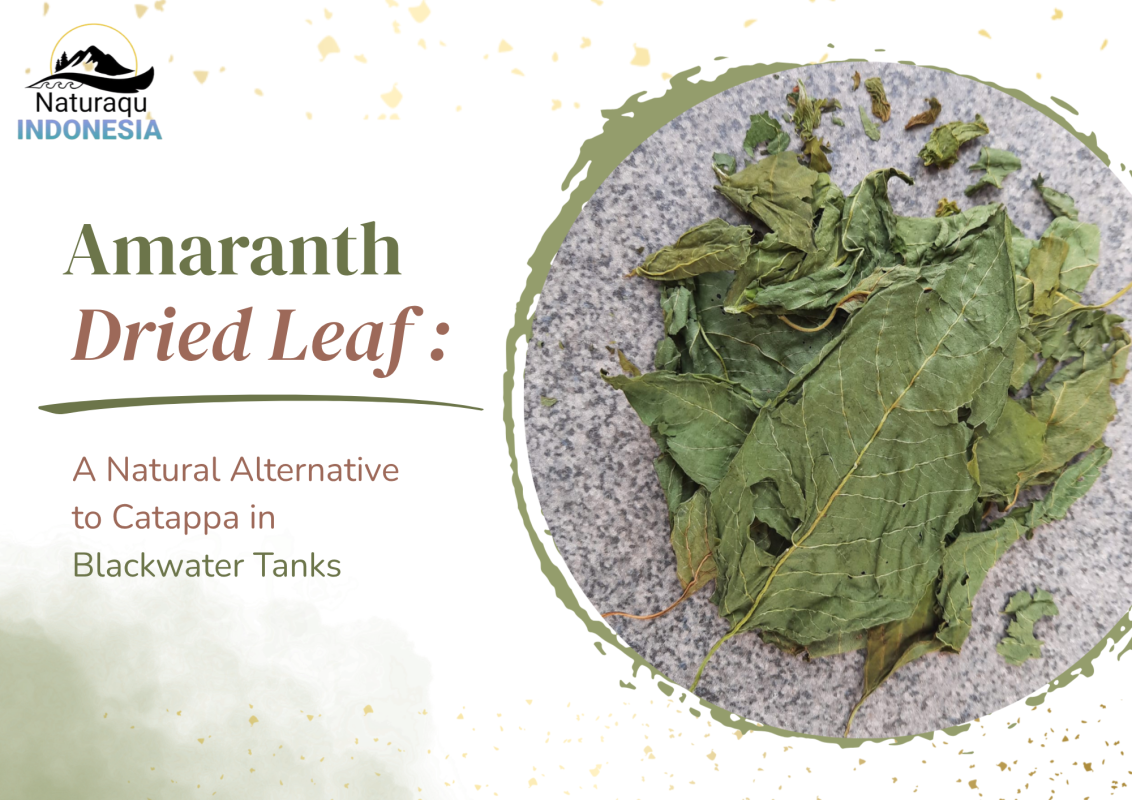
Amaranth Dried Leaf: A Natural Alternative to Catappa in Blackwater Tanks
Sep
Catappa leaf gets most of the attention in the aquarium botanicals world, but it isn’t the only dried leaf worth keeping on hand. Amaranth Dried Leaf offers a lighter, thinner alternative, breaking down faster and suiting setups where a milder tannin release is preferred over catappa’s stronger, longer-lasting effect.
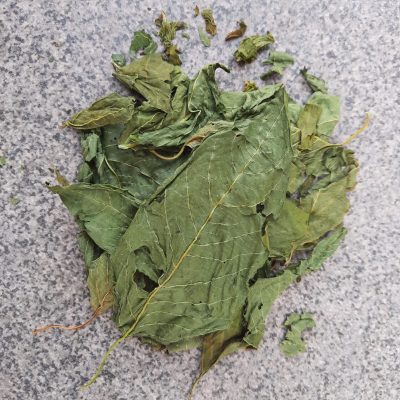
Image “Amaranth Dried Leaf pile showing thin, veined, naturally dried leaves”
What the Leaf Actually Looks Like
Amaranth Dried Leaf comes in irregular, torn pieces rather than whole, uniform leaves. Each piece shows a pale, prominent central vein branching into finer veins across a thin, papery surface. Natural holes and tears are common, a sign of minimal processing rather than a quality issue.
Why a Thinner Leaf Behaves Differently in Water
Compared to catappa’s thick, leathery structure, Amaranth Dried Leaf breaks down noticeably faster once submerged. This quicker decomposition means it releases its tannins and compounds over a shorter window, making it a better fit for aquarists who want a milder blackwater tint without committing to catappa’s slower, more concentrated release.
What It Adds to an Aquarium
Like other natural leaf litter, Amaranth Dried Leaf supports the aquarium ecosystem in a few practical ways:
- Encourages biofilm growth, which serves as a grazing food source for shrimp and fry
- Provides visual cover and natural hiding spots for shy or small fish
- Adds a light tannin tint to water, softening the overall look of a blackwater or biotope tank
- Breaks down into fine detritus that some keepers allow to decompose fully rather than removing
How to Use It in a Tank
Rinse the leaves briefly before adding them to remove any surface dust from drying and storage. Because Amaranth Dried Leaf breaks down faster than catappa, expect to replace or top up more frequently, typically every one to two weeks depending on tank size and bioload. Some keepers pre-soak the leaves for a few minutes to help them sink immediately rather than floating on the surface.
Pairing It With Other Botanicals
Amaranth Dried Leaf works well layered alongside catappa or other leaf litter, creating variation in decomposition speed within the same tank. As the amaranth leaves break down first, they contribute early biofilm growth, while slower-decomposing leaves like catappa continue providing structure and tannins over a longer period.
Why It’s Worth Adding to a Botanical Rotation
Relying on a single leaf type limits the variety of textures and decomposition rates in a tank. Amaranth Dried Leaf gives aquascapers and shrimp keepers a way to diversify leaf litter without switching to something drastically different, offering a milder, faster-cycling complement to heavier options already common in the hobby.
Get Your Own Amaranth Dried Leaf
Naturaqu sources Amaranth Dried Leaf naturally, without added chemicals or preservatives, as part of our Natural Supply collection. We offer wholesale pricing for bulk orders. Questions about usage or pairing with other botanicals? Reach out through our contact page — we’re happy to help before you order.
Browse more natural supplies in our Natural Supply category, including our Dried Catappa Leaf for comparison.
For more on the plant family behind this leaf, see the overview on Wikipedia.
