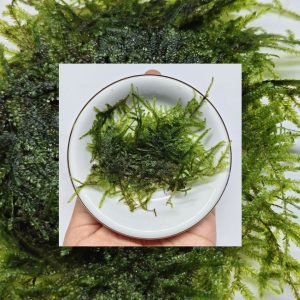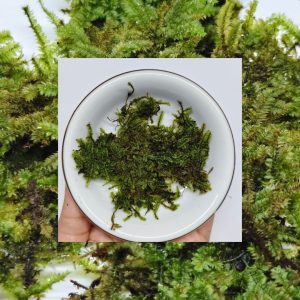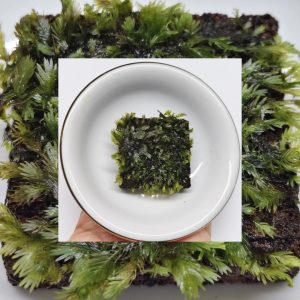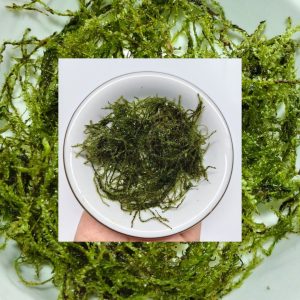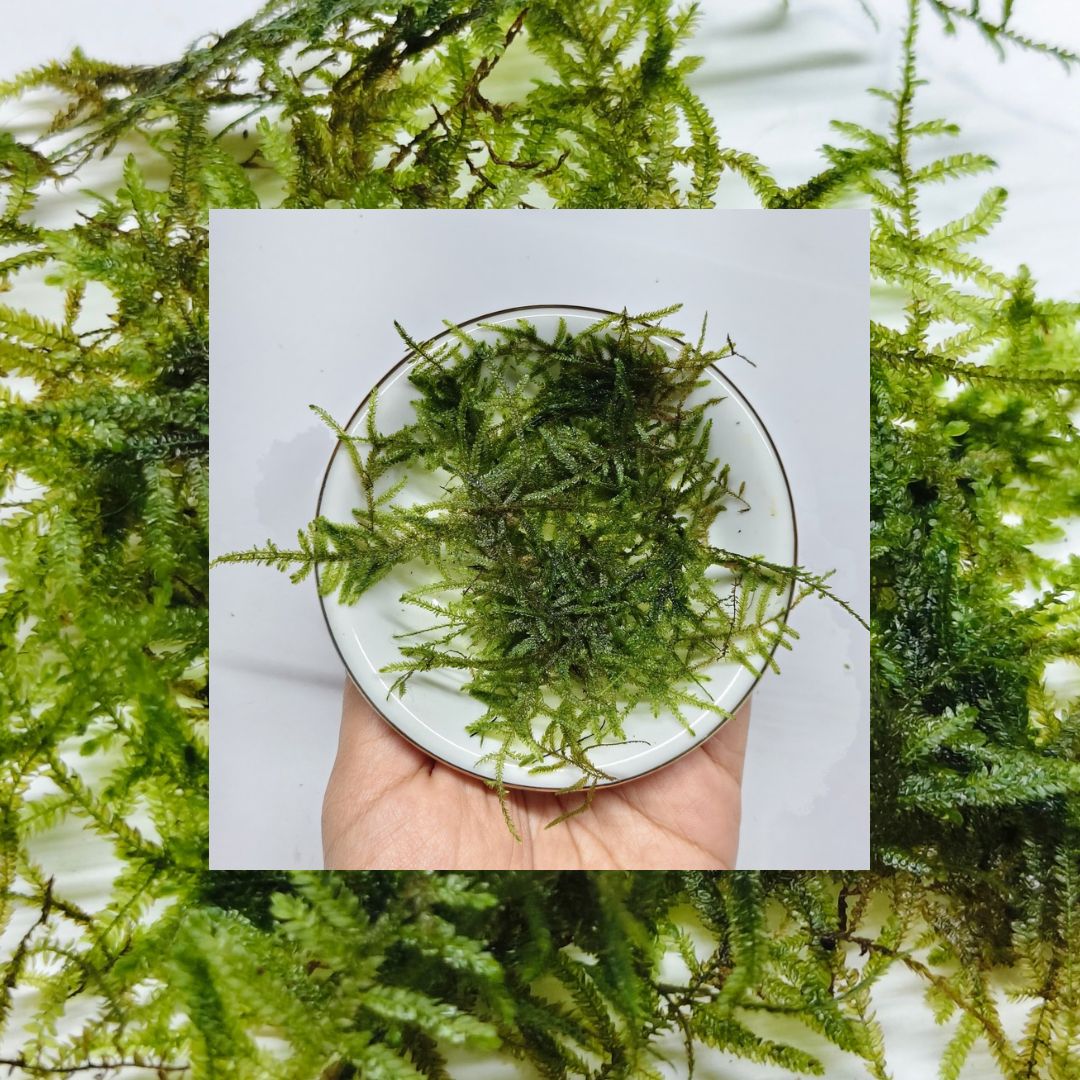
Spiky Moss
$20
Hello and thank you for visiting Naturaqu Indonesia!
We specialize in selling endemic plants from the Island of Borneo, Indonesia. We offer international shipping with various methods, including door-to-door, port-to-port, and via trans shippers in the USA, the EU, and Malaysia. Please contact us for a shipping quote.
Why Choose Us?
• Free Phytosanitary Certificate: We provide a Phytosanitary Certificate at no extra charge.
• Special Discounts: Enjoy a 20%-60% discount on orders of $1,000 or more.
• Import Regulations: An import license is required if it is a prerequisite in your country.
• Quick Shipping: Plants can be dispatched within 1-2 weeks once all necessary documents are prepared.
• Local Buyers Welcome: We are happy to serve buyers from Indonesia as well!
About Our Plants:
• Common Name: Moss Flame
• Origin: Endemic to Indonesia
• Condition: All plants are in good health, and photos are representative.
• Sales: Plants are sold cup.
Please Contact Us:
• Email: Naturaqu123@gmail.com
• Instagram: Naturaqu.Indonesia
• YouTube: Naturaqu Indonesia
• Facebook Page: Naturaqu Indonesia
Spiky Moss stands apart from softer moss varieties thanks to its sharp, pointed leaf tips. Where Java Moss looks soft and bushy, this plant grows with a rougher, more angular silhouette. Aquascapers often use it deliberately to break up an otherwise smooth, rounded layout.
Where Spiky Moss Adds the Most Value
Texture contrast is the main draw here. Place it next to rounder plants or smooth hardscape, and the difference becomes obvious immediately. Many nature-style aquascapes use Spiky Moss this way: as a visual accent rather than a filler plant.
Practical Benefits Beyond Looks
- Unique silhouette — sharp leaf tips create instant visual contrast
- Slow, manageable growth — holds its shape without constant trimming
- Low light tolerance — grows well without CO2 or intense lighting
- Shelter for shrimp and fry — dense clumps still hide small tankmates effectively
Setting Spiky Moss Up for Success
Attach small clumps to driftwood, lava rock, or mesh using cotton thread or fine fishing line. Avoid burying it in substrate, since this leads to rot rather than healthy growth. It typically anchors itself within 4 to 6 weeks. After that, trim only occasionally, since aggressive trimming can blunt the pointed leaf shape that makes this moss distinctive. You’ll find attachment tools and mesh mats in our [Internal Link: aquarium supplies → /supplies] section.
It handles water temperatures between 70–78°F (21–26°C) comfortably and doesn’t need strong direct lighting to thrive.
Is Spiky Moss Good for Beginners?
Yes, largely because it forgives the same kinds of mistakes Java Moss does. The main difference is patience: growth happens slower, so don’t expect quick coverage. In exchange, you get a more distinctive look that stands out from typical moss carpets. Browse the rest of your aquascaping essentials at [Internal Link: shop all products → /products].
Hobbyist communities often note moss varieties like this one for the biofilm and microfauna they support, which benefits shrimp and young fish. [Outbound Link: Aquascaping overview → https://en.wikipedia.org/wiki/Aquascaping]
Related products