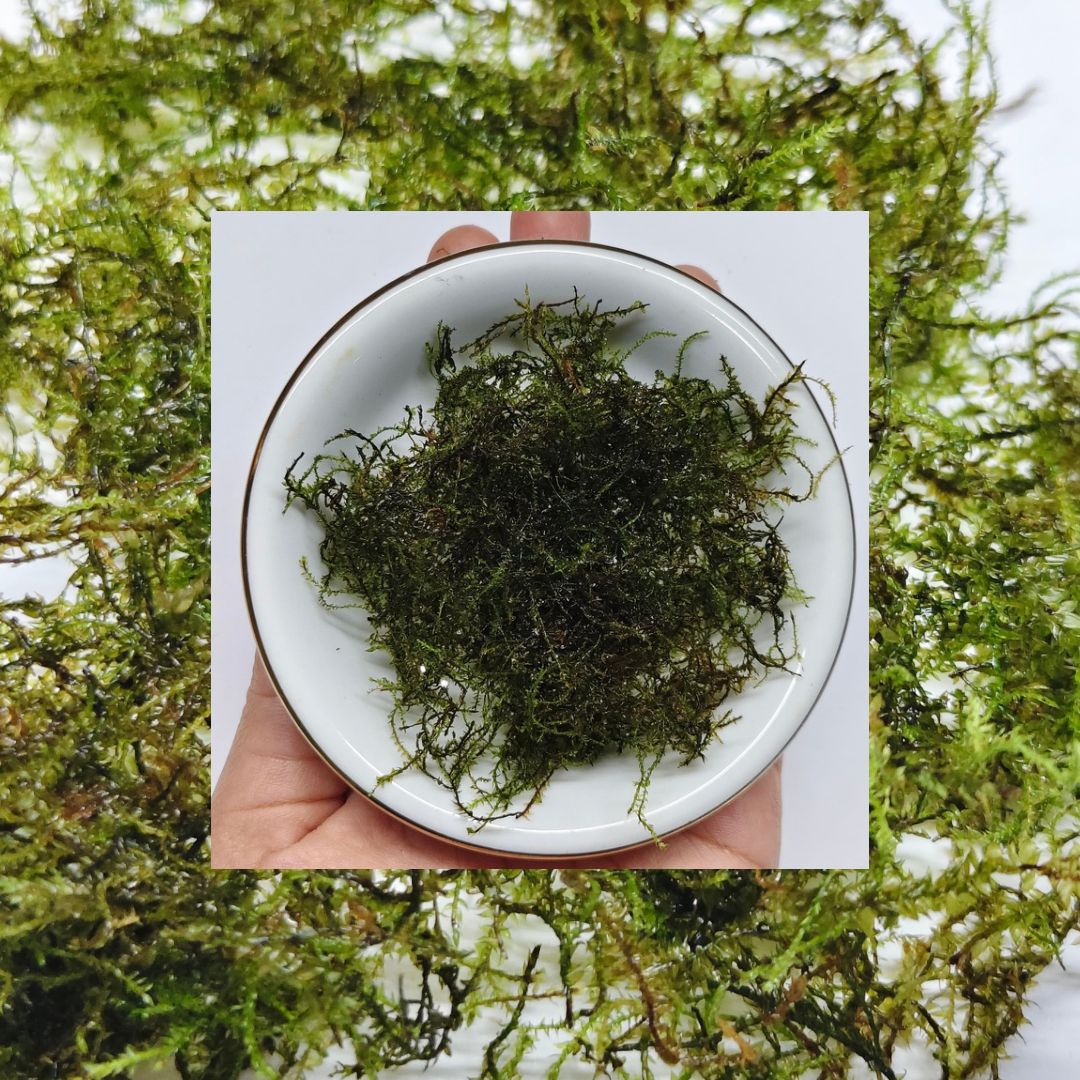
Java Mini Moss
$20
Hello and thank you for visiting Naturaqu Indonesia!
We specialize in selling endemic plants from the Island of Borneo, Indonesia. We offer international shipping with various methods, including door-to-door, port-to-port, and via trans shippers in the USA, the EU, and Malaysia. Please contact us for a shipping quote.
Why Choose Us?
• Free Phytosanitary Certificate: We provide a Phytosanitary Certificate at no extra charge.
• Special Discounts: Enjoy a 20%-60% discount on orders of $1,000 or more.
• Import Regulations: An import license is required if it is a prerequisite in your country.
• Quick Shipping: Plants can be dispatched within 1-2 weeks once all necessary documents are prepared.
• Local Buyers Welcome: We are happy to serve buyers from Indonesia as well!
About Our Plants:
• Common Name: Moss Flame
• Origin: Endemic to Indonesia
• Condition: All plants are in good health, and photos are representative.
• Sales: Plants are sold cup.
Please Contact Us:
• Email: Naturaqu123@gmail.com
• Instagram: Naturaqu.Indonesia
• YouTube: Naturaqu Indonesia
• Facebook Page: Naturaqu Indonesia
Java Mini Moss gives you all the toughness of regular Java Moss in a smaller package. Its leaves grow noticeably finer and tighter, which creates a smoother, more refined carpet effect. Aquascapers reach for this variety when a project calls for precision rather than wild, sprawling growth.
Where Java Mini Moss Really Shines
Detail-oriented layouts benefit most from this plant. Think moss walls, fine foreground carpets, or accents around small rocks where a bulkier moss would look out of place. Because the leaf structure stays compact, it holds its shape longer between trims than standard Java Moss. For other detailed foreground options, check out our [Internal Link: aquatic plant collection → /ornamental-fish].
Practical Benefits Beyond Looks
- Refined texture — fills tight spaces without looking bulky
- Steady, slower growth — needs less frequent trimming than regular Java Moss
- Low light tolerance — thrives without CO2 or intense lighting
- Shelter for shrimp and fry — dense growth still hides small tankmates well
Setting Java Mini Moss Up for Success
Tie small clumps onto driftwood, lava rock, or a mesh mat using cotton thread or fine fishing line. Never bury it in substrate, since this causes rot instead of healthy attachment. Expect it to anchor itself within 4 to 6 weeks. Once established, light trims every few weeks keep the texture even. You’ll find mesh mats and trimming tools in our [Internal Link: aquarium supplies → /supplies] section.
This moss handles water temperatures between 70–78°F (21–26°C) comfortably and doesn’t demand strong lighting to stay healthy.
Is Java Mini Moss Worth It for Beginners?
Yes, though it rewards a bit more patience than its bigger counterpart. Growth happens slower, so don’t expect instant coverage. In exchange, you get a tidier, more polished result with less ongoing maintenance. Browse the rest of your aquascaping essentials at [Internal Link: shop all products → /products].
Hobbyist communities often highlight this moss variety for the biofilm and microfauna it supports, which benefits shrimp and young fish. [Outbound Link: Taxiphyllum barbieri overview → https://en.wikipedia.org/wiki/Taxiphyllum_barbieri]
Related products