
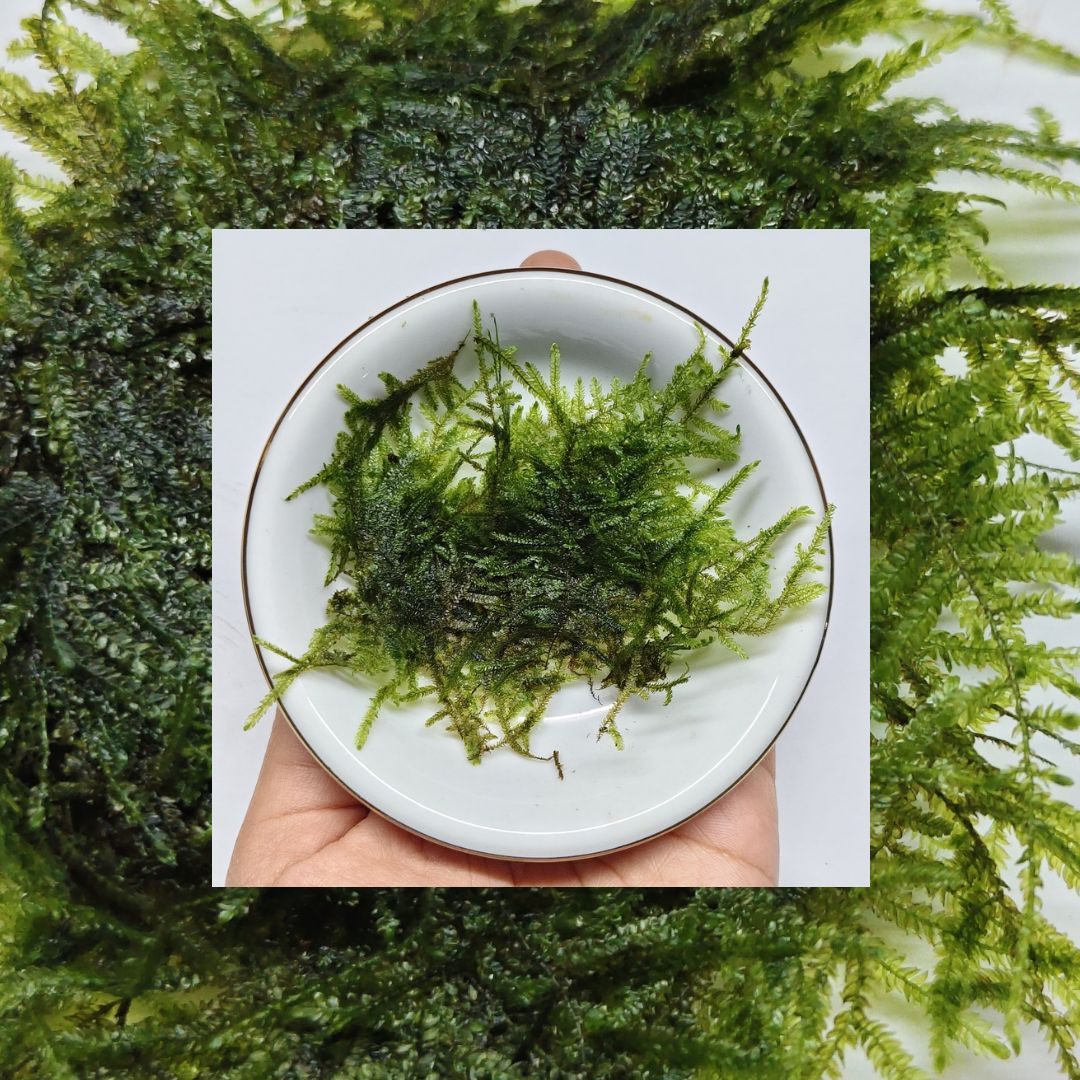
Moss Taiwan

$20
Hello and thank you for visiting Naturaqu Indonesia!
We specialize in selling endemic plants from the Island of Borneo, Indonesia. We offer international shipping with various methods, including door-to-door, port-to-port, and via trans shippers in the USA, the EU, and Malaysia. Please contact us for a shipping quote.
Why Choose Us?
* Free Phytosanitary Certificate: We provide a Phytosanitary Certificate at no extra charge.
* Special Discounts: Enjoy a 20%-60% discount on orders of $1,000 or more.
* Import Regulations: An import license is required if it is a prerequisite in your country.
* Quick Shipping: Plants can be dispatched within 1-2 weeks once all necessary documents are prepared.
* Local Buyers Welcome: We are happy to serve buyers from Indonesia as well!
About Our Plants:
* Common Name: Sonerila sp
* Origin: Endemic to Indonesia
* Condition: All plants are in good health, and photos are representative.
* Sales: Plants are sold by plant (2-3 leaves).
Please Contact Us:
* Email: Naturaqu123@gmail.com
* Instagram: Naturaqu.Indonesia
* YouTube: Naturaqu Indonesia
* Facebook Page: Naturaqu Indonesia
Taiwan Moss packs noticeably more volume per clump than most other aquatic mosses on the market. Where Java Moss spreads thin and wispy, this variety bulks up into soft, rounded pillows of green within a few weeks. Aquascapers reach for it specifically when a layout needs visual weight, not just coverage.
Where Taiwan Moss Earns Its Keep
Background walls and large driftwood pieces benefit most from this density. A modest starting amount fills out into a full, cushioned look without the patchy gaps that thinner mosses sometimes leave behind. This makes it a practical pick for hobbyists who want a finished, lush appearance without waiting through multiple growth cycles. Pair it with other bold textures from our [Internal Link: aquatic plant collection → /ornamental-fish] for added contrast.
Practical Benefits Beyond Looks
- Thick, cushioned growth — fills backgrounds and large surfaces quickly
- Forgiving care needs — handles inconsistent dosing better than delicate plants
- Low-tech friendly — grows without CO2 injection or intense lighting
- Shelter for shrimp and fry — dense padding hides small tankmates effectively
Setting Taiwan Moss Up for Success
Secure clumps onto driftwood, rocks, or mesh using thread or fine fishing line rather than planting them in substrate. Buried clumps rot instead of anchoring properly. Expect visible attachment within 3 to 5 weeks, with noticeable bulk building up shortly after. Because growth runs dense and fast, plan on trimming every couple of weeks to prevent the lower layers from dying off under the canopy.
It tolerates water temperatures between 70–78°F (21–26°C) and doesn’t need strong direct lighting to stay healthy.
Is Taiwan Moss a Good Fit for Beginners?
Yes, particularly for hobbyists who want a fast, visually rewarding result. The main task is staying ahead of trimming, since neglecting it for too long can smother the moss’s lower growth. Browse the rest of your aquascaping essentials at [Internal Link: shop all products → /products].
Hobbyist communities often cite dense mosses like this one for the biofilm and microfauna they support, which benefits shrimp and young fish. [Outbound Link: Aquascaping overview → https://en.wikipedia.org/wiki/Aquascaping]
Related products


