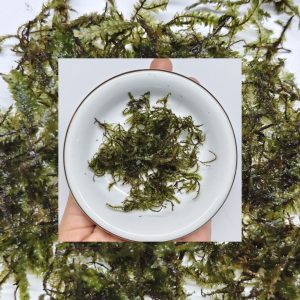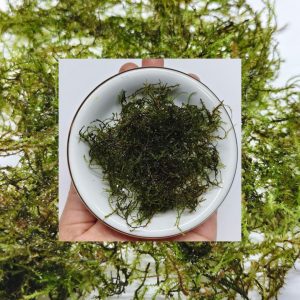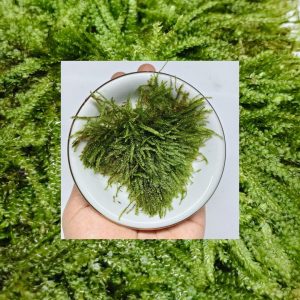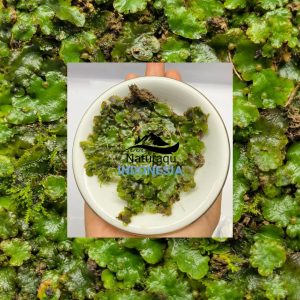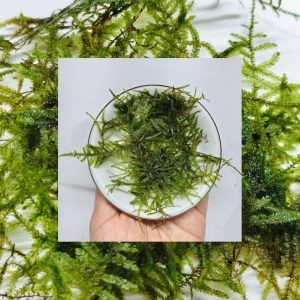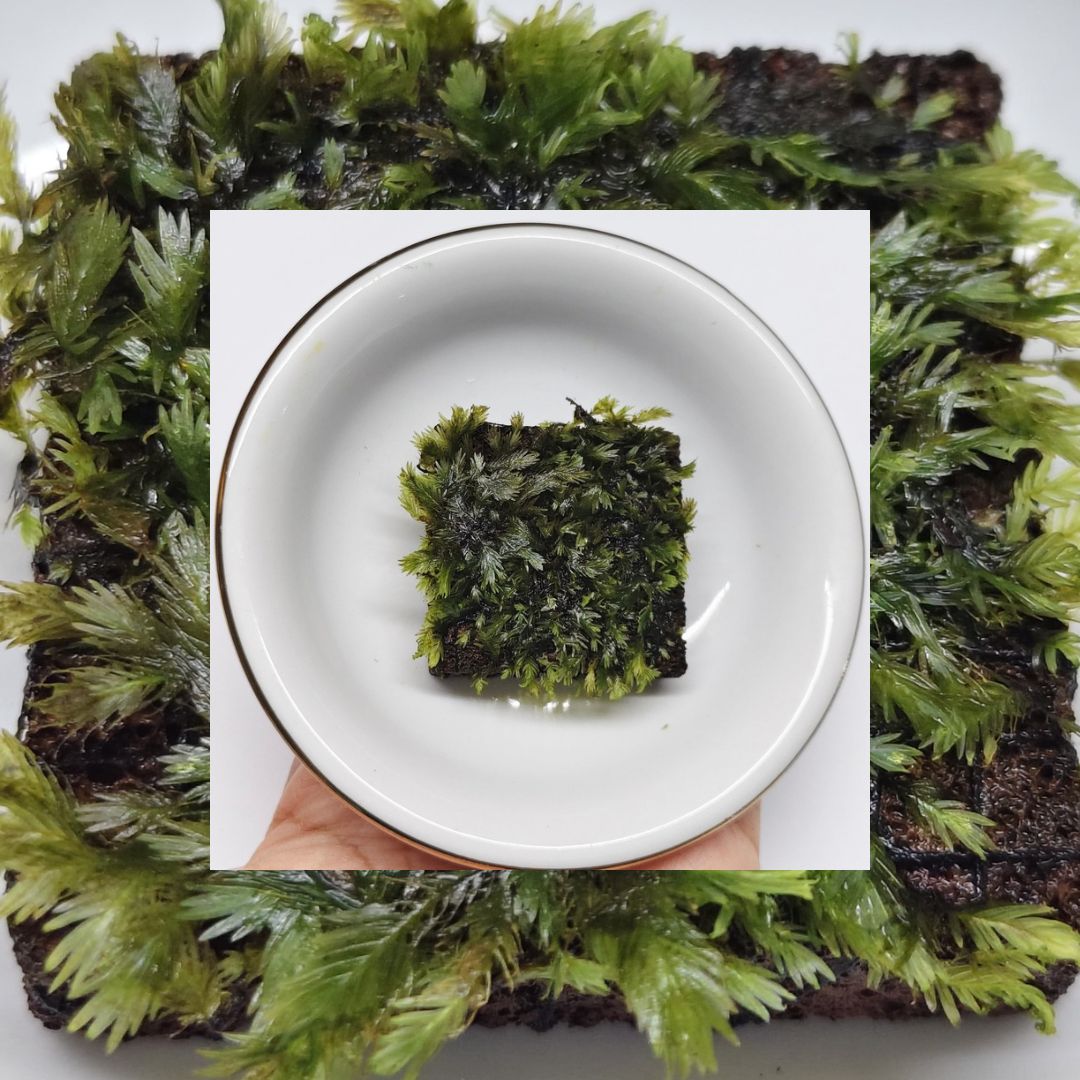
Moss Fissiden Miroshaki
$7
Hello and thank you for visiting Naturaqu Indonesia!
We specialize in selling endemic plants from the Island of Borneo, Indonesia. We offer international shipping with various methods, including door-to-door, port-to-port, and via trans shippers in the USA, the EU, and Malaysia. Please contact us for a shipping quote.
Why Choose Us?
• Free Phytosanitary Certificate: We provide a Phytosanitary Certificate at no extra charge.
• Special Discounts: Enjoy a 20%-60% discount on orders of $1,000 or more.
• Import Regulations: An import license is required if it is a prerequisite in your country.
• Quick Shipping: Plants can be dispatched within 1-2 weeks once all necessary documents are prepared.
• Local Buyers Welcome: We are happy to serve buyers from Indonesia as well!
About Our Plants:
• Common Name: Moss Flame
• Origin: Endemic to Indonesia
• Condition: All plants are in good health, and photos are representative.
• Sales: Plants are sold cup.
Please Contact Us:
• Email: Naturaqu123@gmail.com
• Instagram: Naturaqu.Indonesia
• YouTube: Naturaqu Indonesia
• Facebook Page: Naturaqu Indonesia
Fissidens Miroshaki is a delicate aquatic moss prized for its neat, feathery leaf structure. Its leaves grow in two symmetrical rows along each stem. Because of this pattern, it creates a fine, detailed texture unlike bushier mosses such as Java Moss. Aquascapers often use it to add subtle elegance to nature-style tanks.
Why Choose Fissidens Miroshaki for Your Aquarium
Fissidens Miroshaki grows slowly and stays compact over time. This habit makes it easier to maintain in detailed aquascape layouts. Because of its fine texture, it works especially well as a foreground or midground accent. As a result, experienced aquascapers often choose it for refined, nature-style designs. You can pair it with other species from our [Internal Link: aquatic plant collection → /ornamental-fish] for added contrast.
Key Benefits
- Delicate, feathery texture — adds fine detail to foreground and midground areas
- Slow, compact growth — stays tidy without frequent trimming
- Low maintenance — tolerates a range of water conditions
- Shelters fry and shrimp — dense leaf structure offers safe hiding spots
Care Tips for Fissidens Miroshaki
This moss grows best in water temperatures between 68–76°F (20–24°C). It prefers moderate lighting and benefits from light CO2 supplementation, though it can survive without it. Since it grows slowly, you won’t need to trim it often. Still, occasional trimming helps maintain its neat, feathery shape.
Like other aquatic mosses, attach Fissidens Miroshaki to driftwood, rocks, or mesh instead of burying it in substrate. It typically anchors itself within 5–7 weeks.
Is Fissidens Miroshaki Right for Beginners?
It suits beginners reasonably well, though it grows slower than Java Moss. So, patience matters more than skill with this plant. At the same time, its delicate texture appeals strongly to experienced aquascapers who want a refined, detailed look. Browse our full plant and fish selection at [Internal Link: shop all products → /products] to get started.
The aquascaping community documents Fissidens species for their role in supporting biofilm and microfauna growth. This, in turn, benefits shrimp colonies and fry. [Outbound Link: Fissidens genus overview → https://en.wikipedia.org/wiki/Fissidens]
Related products