
Uncategorized
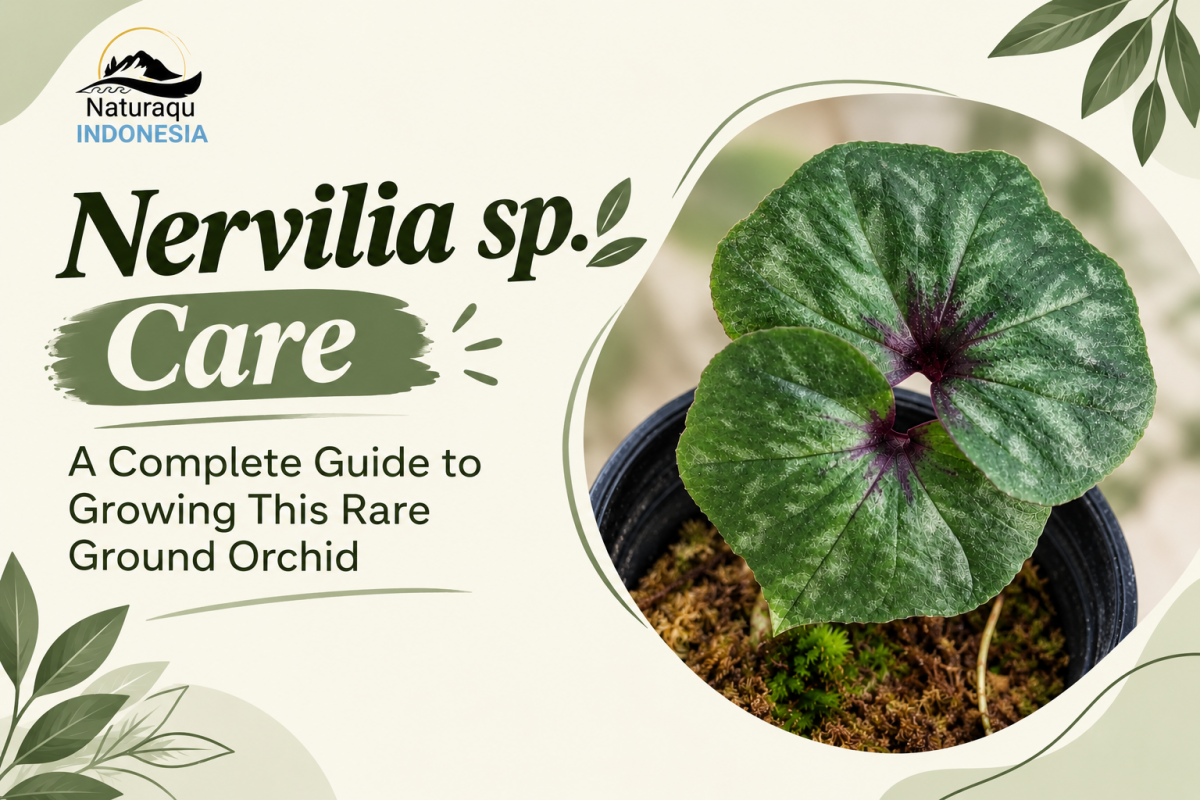
Nervilia sp Care: A Complete Guide to Growing This Rare Ground Orchid
Oct
Nervilia sp care is different from caring for most orchids, and that is what makes this plant so interesting. It grows a single pleated leaf, then rests underground for part of the year. In this guide, you will learn what Nervilia is, how its growth cycle works, and how to keep it healthy at home.
What Is Nervilia sp?
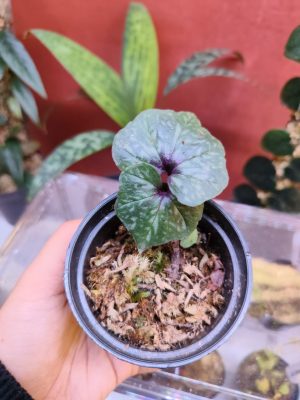
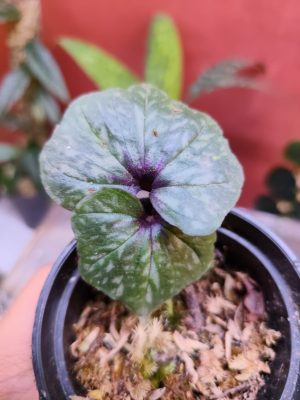
Nervilia is a genus of small terrestrial orchids, which means they grow in the ground instead of on trees. They are found across tropical Asia, Africa, and Australasia. Each plant grows from an underground tuber and produces one leaf, usually rounded or heart-shaped, with clear pleats and veins.
The letters “sp” stand for “species”. A plant labeled “Nervilia sp” has not been identified to a specific species yet. This is common among rare plants traded by collectors. The plant is still a true Nervilia, so the same general rules apply. You can read more about the genus on Wikipedia’s Nervilia page.
The Nervilia Growth Cycle Explained
The growth cycle is the most important thing to understand. In many Nervilia, the flower appears first, often without any leaf. After flowering, a single leaf grows and collects energy for the tuber. Later, the leaf dies back and the plant goes dormant.
This rest period is normal. Many new growers think the plant has died when the leaf disappears. The tuber is simply resting underground and storing energy for the next season. The exact timing can vary by species and growing conditions.
Nervilia sp Care: Light and Temperature
Good Nervilia sp care begins with the right light. In nature, these orchids grow on the forest floor, so they prefer bright but filtered light or light shade. Harsh direct sun can scorch the thin leaf.
Warm temperatures suit them best, roughly 20–30°C (68–86°F). Avoid cold drafts and very low temperatures, especially during dormancy.
Water and Soil for Nervilia sp
Water is where most problems start. While the leaf is growing, keep the mix lightly moist, but never soggy. Wet soil can rot the tuber quickly.
Use a loose, airy mix with good drainage. A simple recipe is:
- 2 parts leaf litter or fine bark
- 1 part perlite
- 1 part cocopeat or coarse sand
Water gently and avoid wetting the leaf too much, because it is thin and can develop spots.
Dormancy Care for Nervilia sp
When the leaf yellows and falls, reduce watering. During dormancy, keep the mix almost dry, with only a tiny splash now and then so the tuber does not shrivel completely. Do not fertilize during this period.
Keep the pot in the same warm, shaded spot and be patient. When the season changes, new growth may appear again. Do not dig up the tuber too often, because disturbance can damage it.
Feeding and Propagation
Feed lightly while the leaf is active. Use a balanced liquid fertilizer at quarter strength every three to four weeks. Stop feeding when the leaf begins to fade.
Nervilia usually multiplies slowly, and some species form new small tubers over time. Propagation is not guaranteed, so the best approach is to keep the parent plant healthy and avoid repotting too often.
Common Nervilia sp Care Problems
- Leaf disappears: This is usually normal dormancy, not death. Reduce watering and wait.
- Yellow leaf during active growth: Often caused by overwatering or poor drainage.
- Brown leaf edges: The air is too dry, or the plant received too much direct sun.
- Soft, dark tuber: This is rot. Remove it from wet soil and use a drier, airier mix.
Where to Buy Nervilia sp
Ready to add this unusual orchid to your collection? You can buy Nervilia sp here. You can also browse our rare tropical plants for more collector favorites.
Final Thoughts
Nervilia sp care comes down to a few habits: filtered light, an airy mix, careful watering, and respect for the dormancy cycle. Once you understand that the missing leaf is only a rest period, this rare ground orchid becomes much easier to enjoy.
