
Uncategorized
Turly Stone: The Hardscape Rock Aquascapers Are Just Discovering
Sep
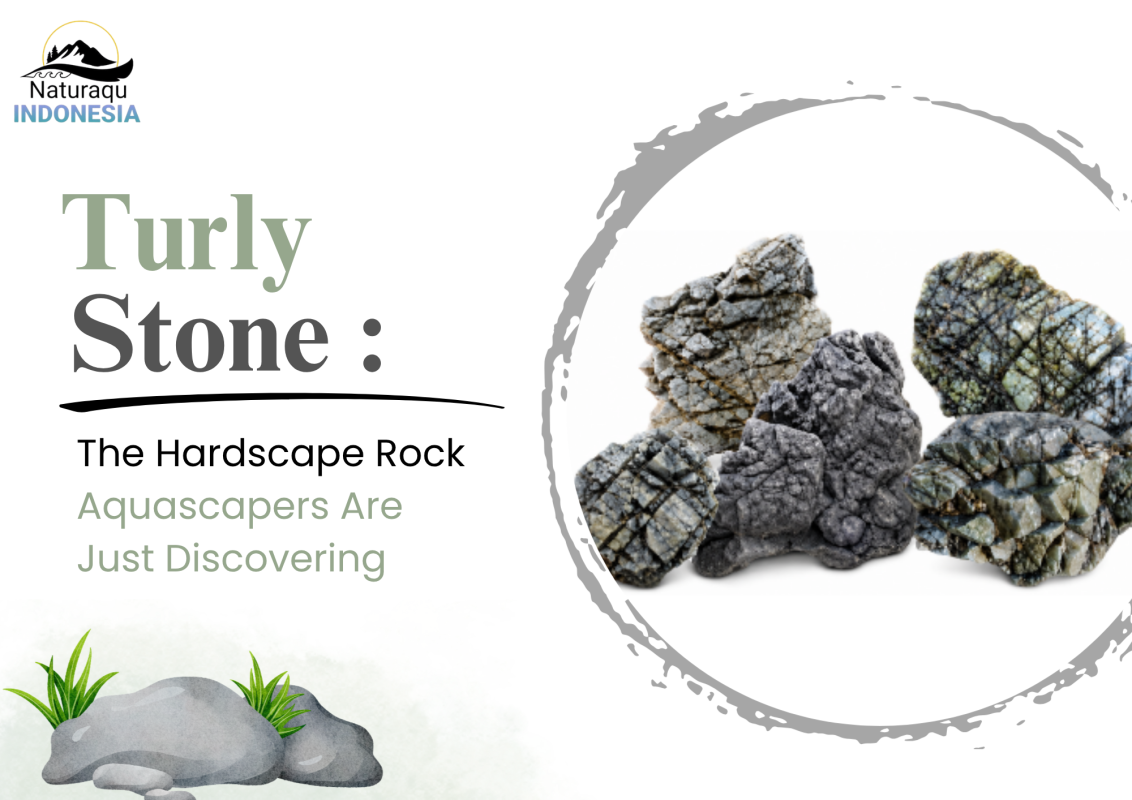
Every aquascaper eventually settles on a favorite stone, usually after cycling through the same handful of well-known options: Seiryu, Dragon Stone, Lava Rock. Turly Stone hasn’t reached that level of recognition yet, but its surface tells its own story: a dense network of cracks running across every face, splitting the stone into a grid that looks almost deliberate, like a tortoise shell carved from mineral.
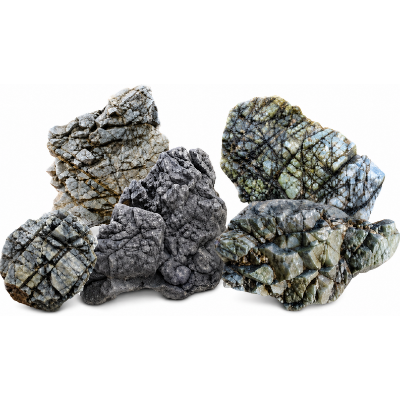
Image “Turly Stone grey and green variants with cracked mosaic surface texture”
What Sets Turly Stone Apart
The defining feature of Turly Stone is its cracked, cellular surface pattern, dividing each piece into small, irregular sections separated by dark mineral veins. This grid-like texture reads almost geometric from a distance, despite forming naturally through geological processes. Turly Stone typically comes in two color variants: a cool grey-blue and a mossy green, both sharing the same distinctive cracked surface.
Where This Stone Comes From
Turly Stone is sourced from Indonesia, gathered as part of Naturaqu’s natural hardscape collection alongside other regional stone and wood materials. Sourcing locally means each batch reflects the specific mineral composition and weathering patterns found in its region of origin, which is part of why natural stone varies so much from supplier to supplier.
How It Behaves in an Aquarium
Before adding any new stone to a tank, testing its effect on water chemistry matters more than its appearance. Some stones raise water hardness and pH over time by slowly leaching minerals, which can shift water parameters away from what certain fish and shrimp need. Soaking a piece in a separate container for a few days, then testing pH and hardness before and after, gives a reliable read on how a specific piece will behave.
Building a Layout Around Turly Stone
A few practical points help when incorporating this stone into a design:
- Rinse thoroughly before use to remove loose dust and sediment from transport
- Test water parameters as described above before committing it to a planted or livestock tank
- Combine with driftwood or spider wood for contrast between organic and mineral textures
- Stack or bury sections partially in substrate to create a more natural, weathered appearance
Why It Pairs Well With Blackwater Setups
The grey variant of Turly Stone blends naturally with the tannin-stained water typical of blackwater and biotope-style aquariums, while the green variant adds a cooler, mossy contrast against dark leaf litter and driftwood.
Why It’s Worth Trying Before It Becomes Common
Popular hardscape stones often become popular precisely because enough aquascapers have already tested and vouched for them. Turly Stone is still in the earlier part of that process, which means less competition for well-shaped pieces and more room to develop a layout that doesn’t look like dozens of other tanks built around the same familiar rock.
Get Your Own Turly Stone
Naturaqu sources Turly Stone directly for aquascapers looking for something outside the usual hardscape rotation. We offer wholesale pricing for bulk orders, and each piece is naturally formed rather than artificially treated. Questions about sizing or layout planning? Reach out through our contact page — we’re happy to help before you order.
Browse more hardscape materials in our Natural Hard Scape category, or see our full range of products for building a complete layout.
For general guidance on stone selection in aquascaping, see this overview on Wikipedia.
