Moss Tamarisk

$10
Hello and thank you for visiting Naturaqu Indonesia!
We specialize in selling endemic plants from the Island of Borneo, Indonesia. We offer international shipping with various methods, including door-to-door, port-to-port, and via trans shippers in the USA, the EU, and Malaysia. Please contact us for a shipping quote.
Why Choose Us?
• Free Phytosanitary Certificate: We provide a Phytosanitary Certificate at no extra charge.
• Special Discounts: Enjoy a 20%-60% discount on orders of $1,000 or more.
• Import Regulations: An import license is required if it is a prerequisite in your country.
• Quick Shipping: Plants can be dispatched within 1-2 weeks once all necessary documents are prepared.
• Local Buyers Welcome: We are happy to serve buyers from Indonesia as well!
About Our Plants:
• Common Name: Moss Flame
• Origin: Endemic to Indonesia
• Condition: All plants are in good health, and photos are representative.
• Sales: Plants are sold cup.
Please Contact Us:
• Email: Naturaqu123@gmail.com
• Instagram: Naturaqu.Indonesia
• YouTube: Naturaqu Indonesia
• Facebook Page: Naturaqu Indonesia
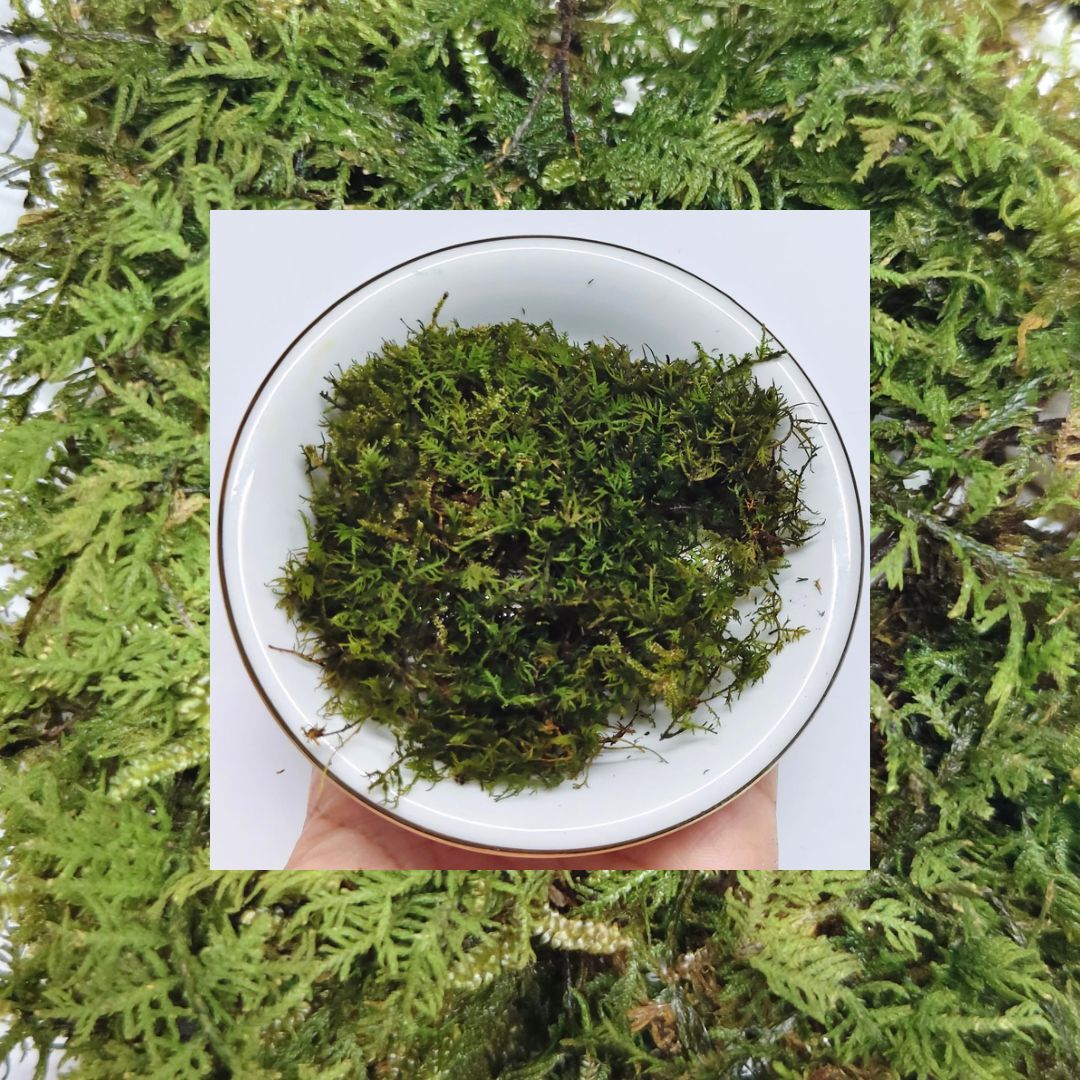
Tamarisk Moss is a striking aquatic moss known for its upright, feathery growth. It branches out in a soft, layered pattern, much like the leaves of a Tamarisk tree. Because of this shape, aquascapers often use it to create natural “tree” effects on driftwood. Its lush, full texture adds dramatic height to any planted tank.
Why Choose Tamarisk Moss for Your Aquarium
Tamarisk Moss grows in a vertical, branching pattern rather than spreading flat. This habit makes it ideal for creating focal points or mini “moss trees” in your aquascape. Because of its hardy nature, it tolerates a range of water conditions, much like other aquatic mosses. As a result, both beginners and experienced hobbyists can grow it with confidence. You can pair it with other species from our [Internal Link: aquatic plant collection → /ornamental-fish] for a more dramatic layout.
Key Benefits
- Upright, branching growth — creates natural tree-like shapes on driftwood
- Hardy and adaptable — tolerates varying water parameters and lighting
- Low maintenance — doesn’t require CO2 injection or intense lighting
- Shelters fry and shrimp — dense branches offer safe hiding spots
Care Tips for Tamarisk Moss
This moss grows best in water temperatures between 70–78°F (21–26°C). It tolerates low to moderate lighting, so it suits most low-tech setups. Since it grows upright, light trimming helps shape it into the desired “tree” form. Trimming also prevents the branches from becoming too dense at the base.
Like other aquatic mosses, tie Tamarisk Moss to driftwood or rocks instead of burying it in substrate. It typically anchors itself within 4–6 weeks.
Is Tamarisk Moss Right for Beginners?
Yes. Tamarisk Moss stays forgiving enough for beginners, much like Java Moss. At the same time, its dramatic, upright shape appeals strongly to experienced aquascapers who want striking focal points. Browse our full plant and fish selection at [Internal Link: shop all products → /products] to get started.
The aquascaping community often documents moss species like this one for their role in supporting biofilm and microfauna growth. This, in turn, benefits shrimp colonies and fry. [Outbound Link: Aquascaping overview → https://en.wikipedia.org/wiki/Aquascaping]
Related products