
Uncategorized
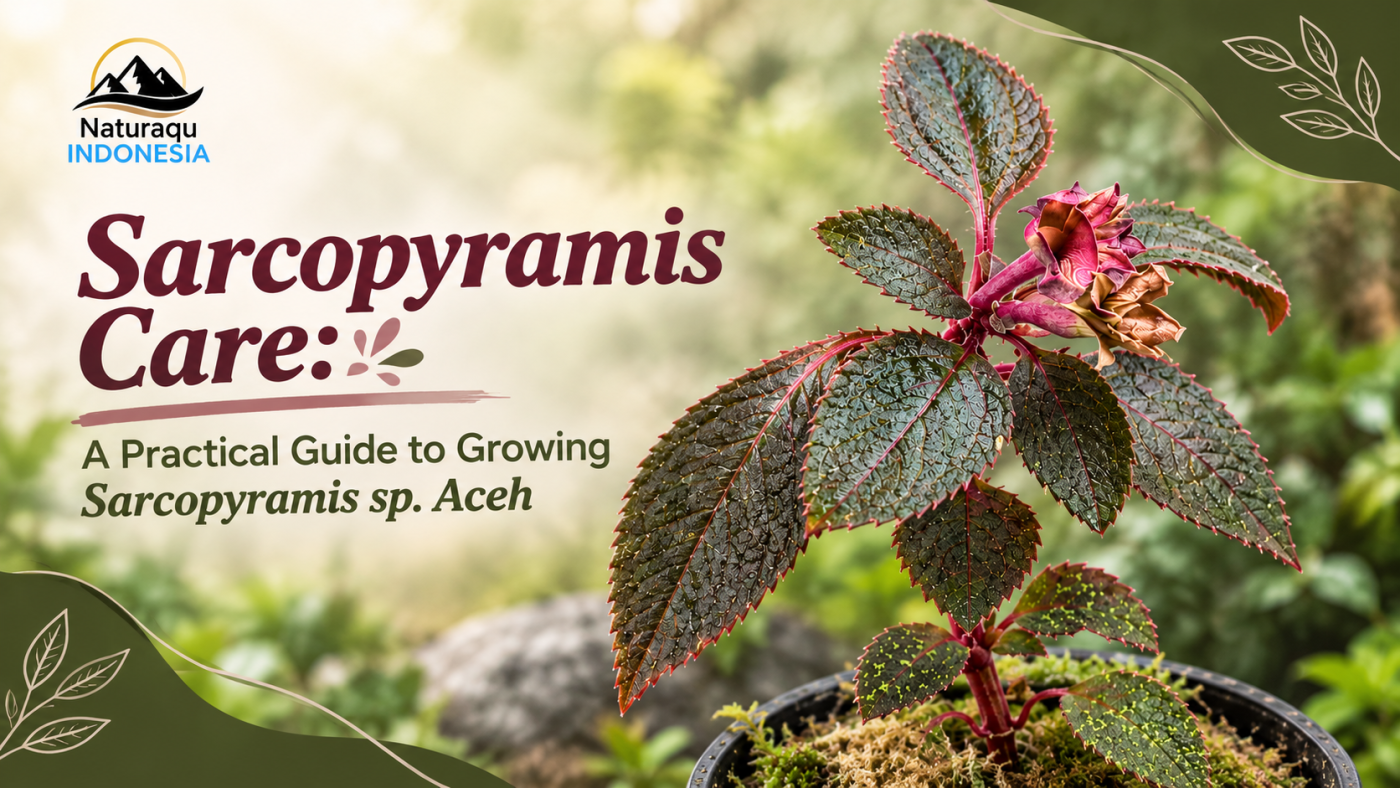
Sarcopyramis Care: A Practical Guide to Growing Sarcopyramis sp. Aceh
Oct
Sarcopyramis care is easy to learn once you understand where this delicate plant comes from. Sarcopyramis sp. Aceh is a small tropical plant with finely veined leaves and tiny flowers, and it looks lovely in a terrarium or paludarium. In this guide, you will learn what the plant is, what conditions it likes, and how to solve common problems.
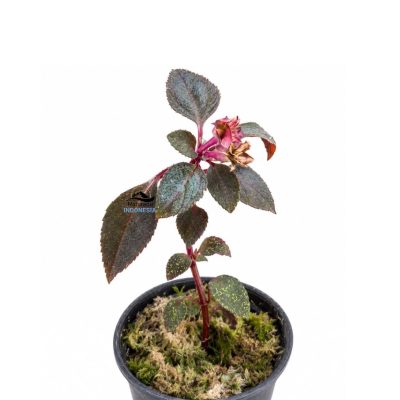
What Is Sarcopyramis sp. Aceh?
Sarcopyramis is a small genus of plants in the Melastomataceae family, the same family as Medinilla and Bertolonia. These plants are low, soft-stemmed herbs that grow in moist, shaded places across tropical and subtropical Asia, often near stream banks and damp forest floors. Their leaves show clear parallel veins, which is a typical trait of this plant family.
The letters “sp.” mean the exact species has not been identified yet. “Aceh” is the locality label that collectors use to show where the plant was found, in northern Sumatra. Because information about this specific plant is limited, the tips below follow the general needs of the genus. You can read more about the group on Wikipedia’s Sarcopyramis page.
Why Terrarium Lovers Choose Sarcopyramis
There are a few reasons this plant is popular:
- Delicate look: The thin, veined leaves give a soft, natural rainforest feel.
- Small flowers: Tiny blooms add a gentle touch of color when conditions are right.
- Compact size: It fits well in terrariums, paludariums, and humid cabinets.
- Rarity: It is hard to find in regular plant shops, which makes it a special addition.
Sarcopyramis Care: Light and Temperature
Good Sarcopyramis care starts with gentle light. In nature, this plant grows in shade, so choose low to medium indirect light. A spot near a bright window with a sheer curtain, or a soft LED grow light, works well. Direct sun can scorch the thin leaves quickly.
Mild temperatures suit it best, roughly 18–26°C (64–79°F). Avoid hot, stuffy spots. If your room gets very warm, a ventilated terrarium in the coolest part of the house helps a lot.
Sarcopyramis Care: Water, Humidity, and Soil
This plant does not like to dry out. Keep the mix evenly moist, but never soggy, because wet and airless roots can rot. Use clean water, and water lightly when the surface starts to feel slightly dry.
High humidity keeps the leaves fresh. You can raise humidity in several ways:
- Grow it in a closed or semi-closed terrarium
- Place it in a humid cabinet or paludarium
- Group it with other humidity-loving plants
- Use a small humidifier nearby
For soil, use a loose, airy mix. A good recipe is 2 parts cocopeat, 1 part perlite, 1 part fine bark, and a handful of sphagnum moss. Good drainage matters, even in a humid setup.
Feeding and Propagation
Feed lightly. Use a balanced liquid fertilizer at quarter strength once a month during active growth. Too much fertilizer can burn the delicate roots.
Many soft-stemmed herbs can be multiplied from stem cuttings. Take a healthy tip with a few leaves, place it in a moist, airy mix, and keep it in high humidity and indirect light. Results can vary, so be patient and try several cuttings if you can.
Common Sarcopyramis Care Problems
- Crispy leaf edges: The air is too dry. Raise humidity or close the terrarium a little more.
- Yellow leaves: Usually caused by overwatering or poor drainage. Let the mix drain and improve airflow.
- Leggy, stretched stems: The light is too weak. Move the plant closer to a light source.
- Mold or fuzzy growth: Humid setups with no airflow can grow mold. Remove affected parts and open the lid for a few hours each day.
- Tiny pests: Fungus gnats or aphids can appear. Remove them gently and avoid strong chemicals.
Check your plant every week, so you can act early.
Where to Find Sarcopyramis sp. Aceh
Ready to start your collection? You can buy Sarcopyramis sp. Aceh here. You can also browse our rare plants for more collector favorites.
Final Thoughts
Sarcopyramis care comes down to a few habits: soft indirect light, mild temperatures, steady moisture, and high humidity. Give this plant a stable, humid home, and it will reward you with fresh foliage and small flowers. Start with one plant, watch how it responds, and adjust your routine slowly.
