
Uncategorized
Ramplas Stone: Guide to Using It in Aquascapes and Terrariums
Oct
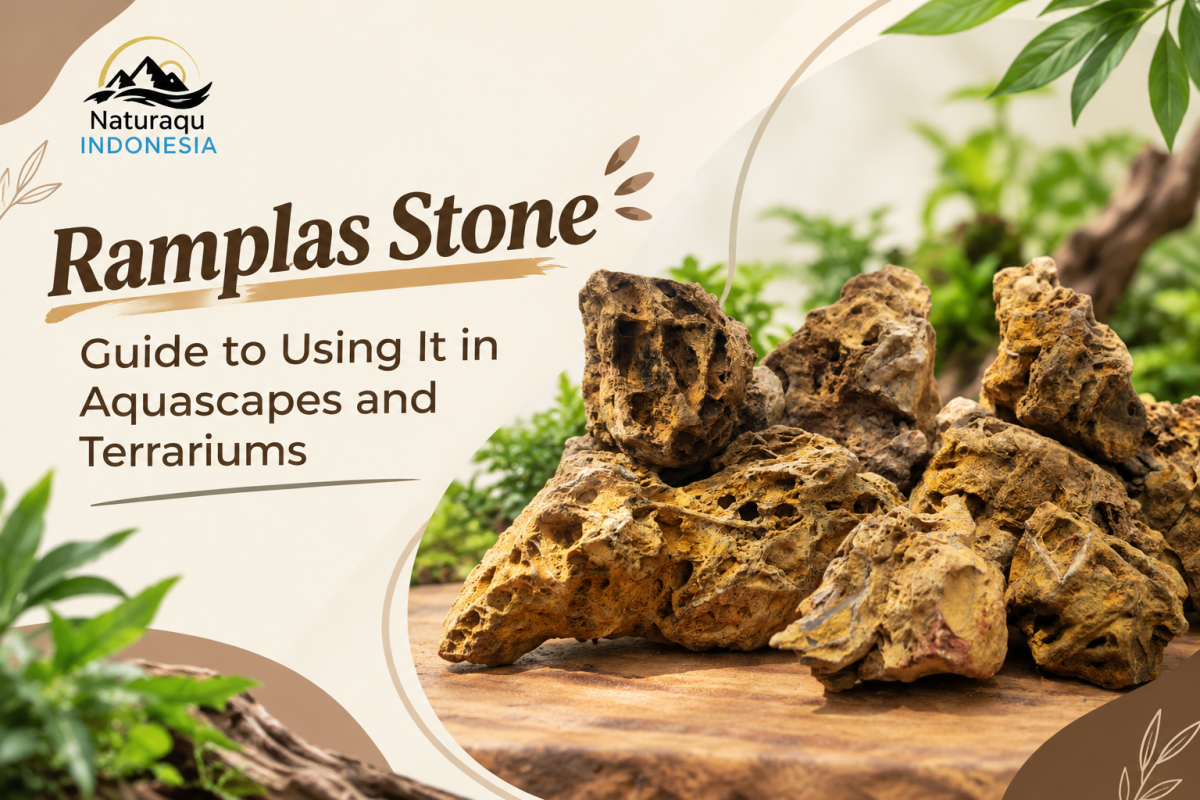
Ramplas stone is a textured natural rock that hobbyists use to build hardscape in aquascapes, paludariums, and terrariums. Its rough surface and earthy look help a layout feel like a real riverbank or forest floor. In this guide, you will learn what makes ramplas stone popular, how to prepare it, and how to use it in your own setup.
What Is Ramplas Stone?
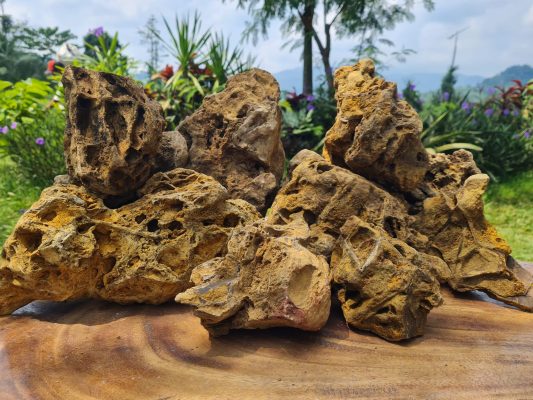
“Ramplas” is the name used by Indonesian hobbyists and sellers for a natural rock that is popular in the aquascaping scene. It is usually chosen for its rugged, uneven texture and its natural tones, which range from gray to brownish shades. Because the name is a local trade name, the exact mineral makeup can differ from one source to another.
For this reason, treat the details below as general guidance. If you are unsure about a batch, test it before putting it in your tank. You can learn more about the hobby itself on Wikipedia’s Aquascaping page.
Why Hobbyists Choose Ramplas Stone
There are several reasons this rock is popular for hardscape:
- Natural texture: The rough surface looks realistic and gives depth to a layout.
- Great for plants: Rough rock gives mosses, ferns, and plants like Bucephalandra something to attach to.
- Versatile: It works in aquariums, paludariums, and terrariums.
- Easy to shape a scene: Irregular pieces make it easier to build slopes, caves, and layered cliffs.
How to Prepare Ramplas Stone Before Use
Good preparation protects your plants and animals. Follow these steps:
- Scrub the rock with a clean brush under running water to remove dust and loose dirt.
- Rinse it several times, and do not use soap or detergent.
- Soak it in clean water for a day or two, then check how the water looks.
- For aquarium use, test the water with a drop of vinegar on the stone. If it fizzes, the rock may contain minerals that raise water hardness and pH.
Always test a new rock in a bucket first. Measure the water for a few days before adding it to the main tank, especially if you keep soft-water fish or plants.
Using Ramplas Stone in an Aquascape
In an aquascape, ramplas stone works well as the main structure. Use a few larger pieces as focal points, and add smaller pieces to repeat the same shape. Odd numbers, such as three or five stones, usually look more natural.
Place the stones with the same grain direction, so the layout looks like it came from one rock formation. Bury part of each stone in the substrate to make it look firmly settled. Then plant mosses and rhizome plants between the stones to soften the edges.
Using Ramplas Stone in a Paludarium or Terrarium
In a paludarium or terrarium, ramplas stone can form the land area, a small waterfall wall, or a backdrop. Its rough surface holds moisture well, so mosses and small ferns can grow on it. Make sure the stones are stable and cannot tip over, especially if you keep animals.
Care and Maintenance Tips
- Algae: Rough rock can collect algae. Keep lighting moderate and clean the surface with a soft brush during water changes.
- Water checks: Test pH and hardness regularly in the first weeks.
- Stability: Stack stones carefully, and use aquarium-safe adhesive if needed.
- Cleaning: Rinse the rock in clean water if you take it out. Never use chemicals.
Where to Find Ramplas Stone
Ready to build your hardscape? You can buy Ramplas Stone here, and Browse our aquascaping supplies to see what is currently available.
Final Thoughts
Ramplas stone is a simple way to give your aquascape, paludarium, or terrarium a natural, rugged look. Clean it well, test it before use, and arrange it with care. With a few well-placed stones and some plants, you can create a layout that looks like a small piece of nature.
