
Uncategorized
Why Do People Often Fail to Grow Begonia Successfully?
Feb
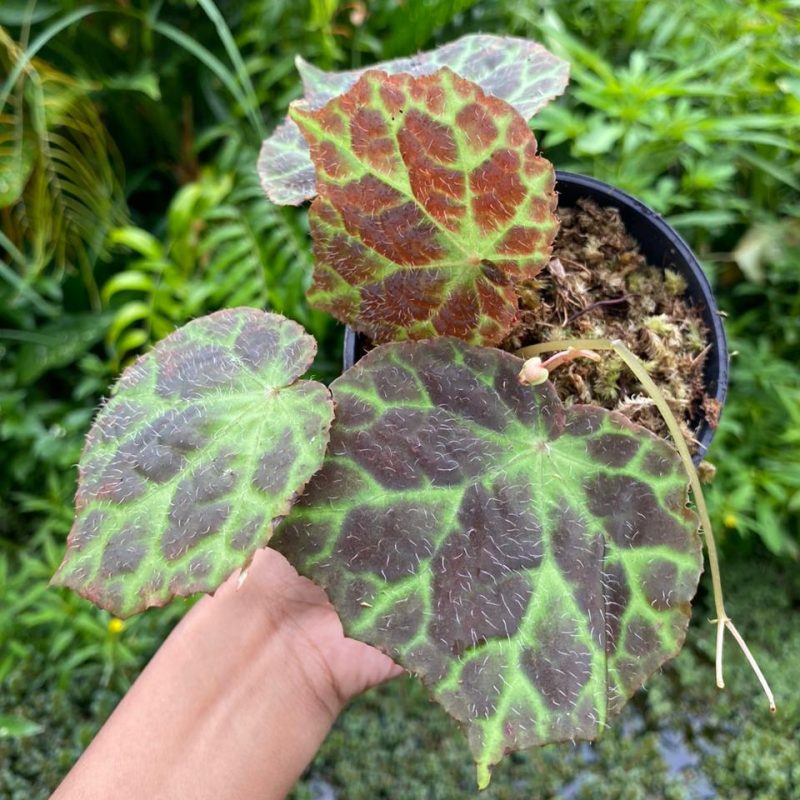
A Scientific Guide to Understanding Common Begonia Growing Mistakes Why Begonias fail to grow? Begonias are among the most visually striking ornamental plants, valued for their textured foliage, asymmetrical leaves, and vibrant coloration. Despite their popularity, many hobbyists and even experienced growers repeatedly struggle to keep begonias alive or thriving. The reason is not simply “plant difficulty.” Most failures arise from misunderstandings of Begonia plant physiology, microclimate requirements, and substrate ecology. Understanding the science behind these factors dramatically improves success rates.

1. Begonias Evolved for Stable Tropical Microclimates
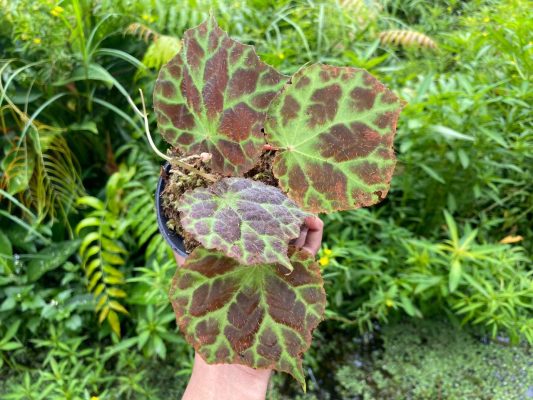
Most Begonia species naturally grow in tropical forest understories where environmental variables remain highly consistent.
Their native ecosystem provides:
- Filtered canopy light
- Constant humidity leve
- ls
- Mild temperature variation
- Organic, breathable forest soil
- Continuous but gentle airflow
Indoor environments, however, frequently fluctuate due to air conditioning, seasonal weather changes, or relocation within the home.
Plant Physiology Explanation
Begonia leaves possess relatively thin protective layers, making them highly responsive to environmental change. Sudden drops in humidity or temperature disrupt cellular water balance, leading to:
- Leaf edge browning
- Tissue collapse
- Rapid leaf loss
- Consistency matters more than intensity when growing begonias.
2. Overwater
- ing Causes Root Oxygen Deprivation
One of the biggest misconceptions in
- plant care is that begonias die from “too much water.”
Scientifically, the primary issue is lack of oxygen in the root zone.
Roots require oxygen for cellular respiration. When soil remains saturated:
- Air pockets disappear
- Root metabolism slows
- Anaerobic microorganism
- s multiply
- Root rot pathogens develop
This condition, known as root hypoxia, is responsible for many Begonia failures.
Best Practice
Instead of watering frequently, g
- rowers should prioritize:
- Fast-draining media
- Aerated substrates
- Moist but breathable conditions
3. Incorrect Soil Mix Is a Major Failure Factor
Standard potting soil is often too den
- se for Begonias.
Begonia root systems are:
- Fine and delicate
- Shallow-growing
- Sensitive to compaction
In nature, they grow within decomposing leaf litter rather than mineral-heavy soil.
An effective Begonia substrate typically includes:
- Bark or orchid mix
- Perlite or pumice
- Coco chips or fiber
- Organic humus or leaf compost
This structure improves gas exchange while maintaining controlled moisture retention.
4. High Humidity Without Airflow Encourages Disease
Many plant guides emphasize humidity, leading growers to seal plants inside enclosed environments.
However, humidity without airflow creates ideal conditions for pathogens.
When air stagnates:
- Moisture accumulates on leaves
- Fungal spores germinate easily
- Bacterial infections spread faster
Common problems include:
- Powdery mildew
- Leaf spot disease
- Stem rot
Healthy Begonia environments replicate humid forests with moving air, not closed wet spaces.
5. The Myth of Begonias as Low-Light Plants
Begonias are frequently categorized as low-light houseplants, but this description is misleading.
They actually require bright indirect light to maintain efficient photosynthesis.
Too little light causes:
- Leggy growth
- Color fading
- Reduced leaf size
- Increased disease vulnerability
Meanwhile, direct sunlight damages leaf tiss
- ues
- and chloroplast function.
Balanced diffused lighting produces optimal foliage development.
6. Temperature Stress Weakens Plant Immunity
Begonias respond poorly to sudden environmental temperature shifts.
Rapid cooling or heat spikes interfere with:
- Enzyme reactions
- Nutrient transport
- Water regulation systems
Most begonias perform best between: 18–27°C (65–80°F) with minimal fluctuation.
Repeated stress reduces plant resilience and increases susceptibility to pathogens.
7. Too Much Care Can Harm Begonias
Surprisingly, excessive intervention often l
- eads to failure.
Frequent changes such as:
- Moving plant locations
- Repotting too often
- Adjusting watering routines
- Overfertilizingdisrupt root stabilization and microbial equilibrium within the substrate.
From a horticultural perspective, Begonias thrive under environmental stability rather than constant adjustment.
How to Successfully Grow Begonias
To prevent common Begonia growing failures, focus on replicating their natural ecosystem:
✅ Stable humidity and temperature ✅ Oxygen-rich, airy substrate ✅ Bright indirect light ✅ Moderate watering practices ✅ Good airflow ✅ Consistent growing conditions When these ecological principles are applied, Begonias become significantly easier to maintain and grow.
Final Thoughts
Why Begonias fail to grow? Begonia failures rarely indicate poor gardening skills. Instead, they highlight how specialized these plants are to their evolutionary habitat. By understanding the scientific relationship between roots, humidity, light, and microclimate stability, growers can transform Begonia care from frustrating experimentation into predictable success.
